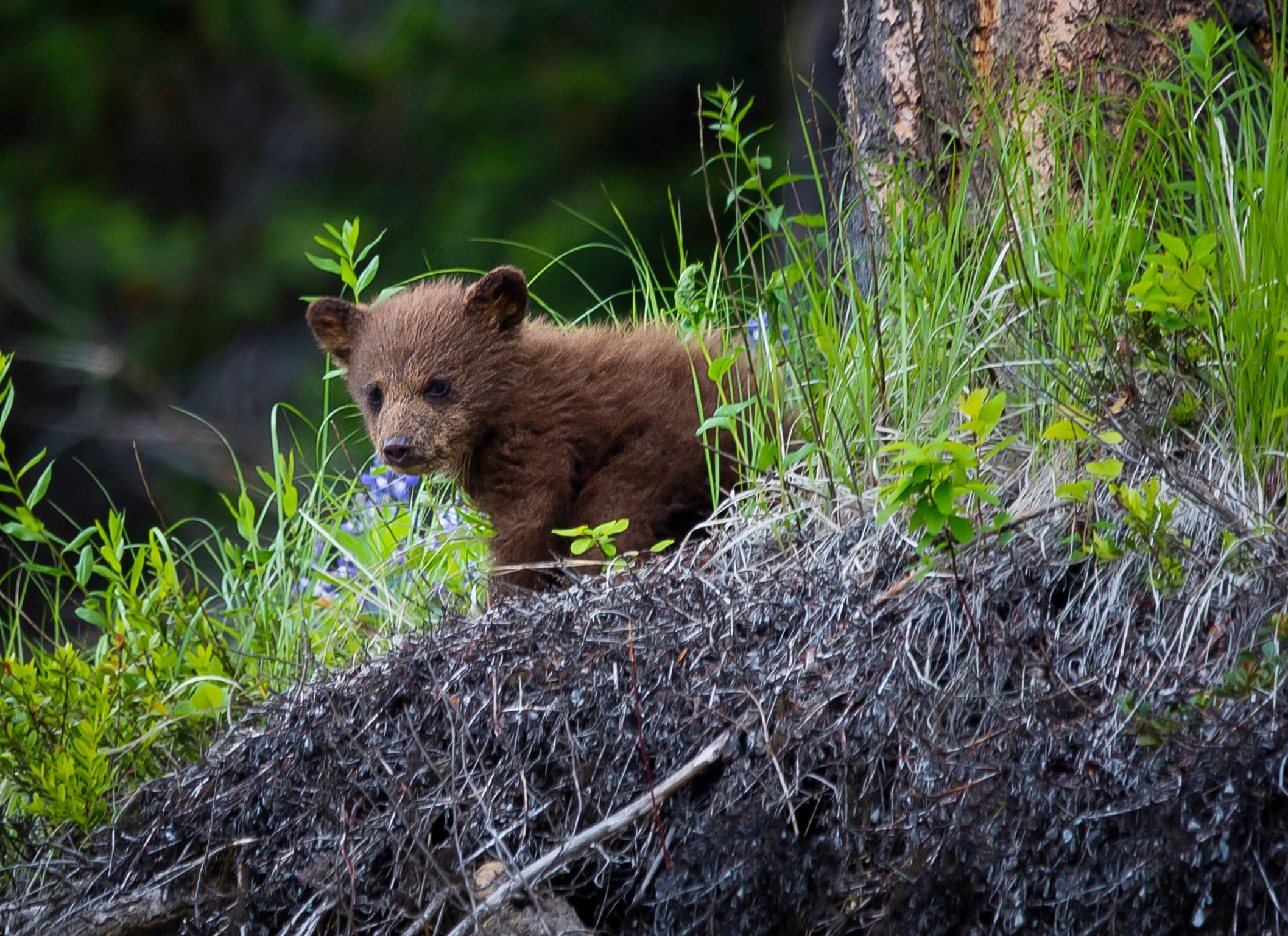
‘To appreciate the beauty of a snowflake, it is necessary to stand out in the cold.’ -Aristotle

Hi there friend.

It’s been another long gap in my posting. It’s lovely to be here again.

2023 ended up being a tough one. I’ve been ill with fatigue for most of it, which has indeed felt like standing out in the cold and watching life in all its intricacies, beautiful as they are, pass me by. All my creative projects had to be put on hold: the collaging, the drawing, the painting, the embroidering I’d recently got in to and, unfortunately, the writing too. I am happiest when I’m creating, whether that be a paragraph of novel, something visual or a spreadsheet for my marketing job, but fatigue sucked the joy out of everything.

I am pleased to say I am recovering well and through pacing myself, I’m finding my way back to all of life (including a little art and the novel! Yay!).

2023 therefore has been a year of listening for me. Listening to my mind and body, and also, to books. In my convalescence books have been my friend, in their physical form, on kindle and via audible -I think I would’ve gone crazy without audible actually. So other than checking in, I thought I’d give you some recommendations, my top 6 books from my year of reading and listening to 30+, in case you’re looking for a new read, or a Christmas present.

In reverse order:

6. Susan Dennard’s Young Adult Fantasy The Luminaries (& the recent sequel Hunting Moon)

Set in Hemlock Falls, the populace must constantly patrol the forest where ghouls and monsters regularly appear before they kill those in or outside the town. The story follows teenager Winnie Wednesday as she completes trials to become a monster hunter (and avenge her ostracization) and learns the secrets of the forest (and her best friend).

Out of all the YA I’ve read recently this felt like it was written for a younger readership. (Although the character is around the age of my novel’s protagonist at its beginning, which was good to experience.) That said, the monsters and imaginative realm of the forest are brilliant, and I enjoyed the story.

5. The Rebound by Leeanne Slade
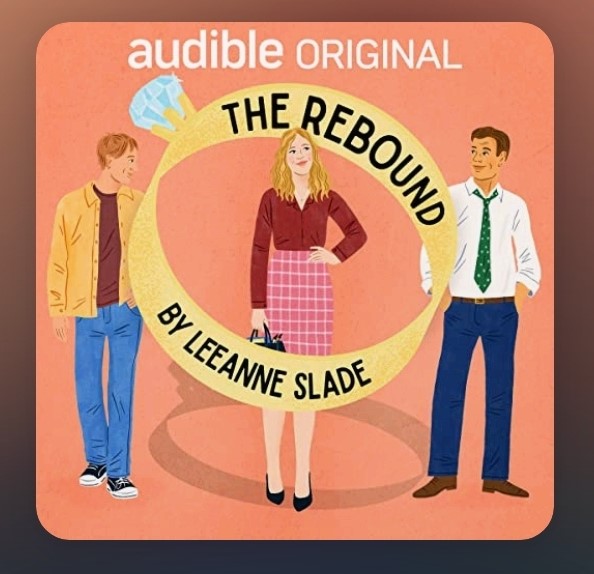
I don’t think I’ve ever really read any romantic comedies. However, when you’re resting with fatigue, they’re a really easy and fun read/listen.

This was one of my favourites: Kitty is proposed to by her long-term boyfriend, yet she’s terrified of marriage. They part for a period and as the title suggests she meets someone new who turns her life upside down.

4. Call Me Maybe by Cara Bastone

My other favourite rom com, part of 3 short story listens all with characters in common, yet completely separate stories. This one begins with Vera needing help with her website from the platform provider. She calls the customer service line and then… love blooms. The whole thing is written in speech as if on the telephone, which is really fun. It also felt like ‘everyday romance’ which Cara Bastone specialises in, which was also a highlight for me.

3. Wintersong (& the sequel Shadowsong) by S. Jae-Jones

Another YA. This felt older and psychologically darker than Susan Dennard. For anyone born in the 80’s you’ll recognise what feels like the Labyrinth fan fiction element of it, but together, the books felt to me like works in their own right, especially in the second book.

This one follows Liesl as she goes underground to rescue her sister who’s been taken by the Goblin King, which sets her on a trip of self-discovery. Music is key to the story (as Liesl is a composer), which I enjoyed as a former violinist.

2. Colm Toibin’s The Testament of Mary

Now, I’ve begun dreaming of a sequel to my novel (yes I know I need to finish the first one first!). I listened to this, read by Meryl Streep, to help my thoughts for it. I think this originally begun life as a play -a monologue- before becoming a novella. It tells the story of Jesus’ mum, Mary, as she lives out her life out after Jesus’ death, and how the experience of her son has impacted her. Mary is a grumpy and very real mum, clearly grappling with her grief, which feels totally opposite of how she’s portrayed generally in culture and the bible. This was great.

In all the books above the voices of the protagonists were intimate, with a lot of personality, which has really made me think about my novel and how close the reader is to the protagonist’s thoughts and feelings. I may have been not writing but I was thinking and continue to mull these reading experiences over.

1. Greenlights by Matthew McConaughey
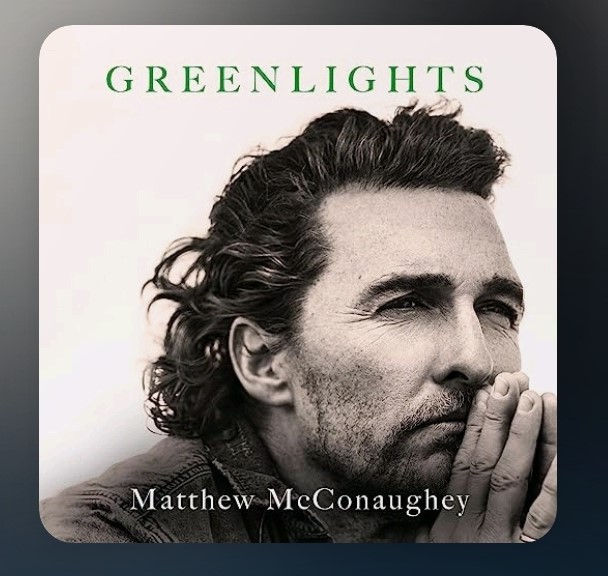
Now this is the audiobook that got me into an audible free trial which started my listening binge. When I was first unwell, it really felt like, as Matthew McConaughey would say, a total red light. How could I possibly turn it green? Listening to McConaughey’s stories of his life and his traffic light system not only comforted me, but helped me think about my situation in a different way.

It’s also very funny. And if you’re unwell you need more laughs than usual.

I’d also like to include a special shout out to my friend Lisa Fransson and her debut novel The Shape of Guilt. Told from the viewpoint of a toy rabbit, a family’s secrets unravel. I won’t say more. Get your copy!!

Netflix has also been a companion, recommendations include the films Nyad and A Time to Kill, the mini-series Unorthodox and the documentary Fantastic Fungi.

And did you see the Kae Tempest documentary on BBC? I saw them at an early gig. They were brilliant then, and their work continues to inspire me now.

So now you’re better Lucy, what of the novel?

Well, I’m pleased you ask.

I’ve reconnected with my mentor and I’m back at it, working through the first 40,000 words with the hope of a fresh draft of that section by March -I’m about a third of the way through right now. 😀

I hope the year has treated you well, and if not that you’ve found a way to weather the storm you’ve faced. One last tip from me would be the Calm app. It has been my one consistent, every day, helping me, calming me through my experience. If you need to rest, I’ve found it essential in helping make space for it.

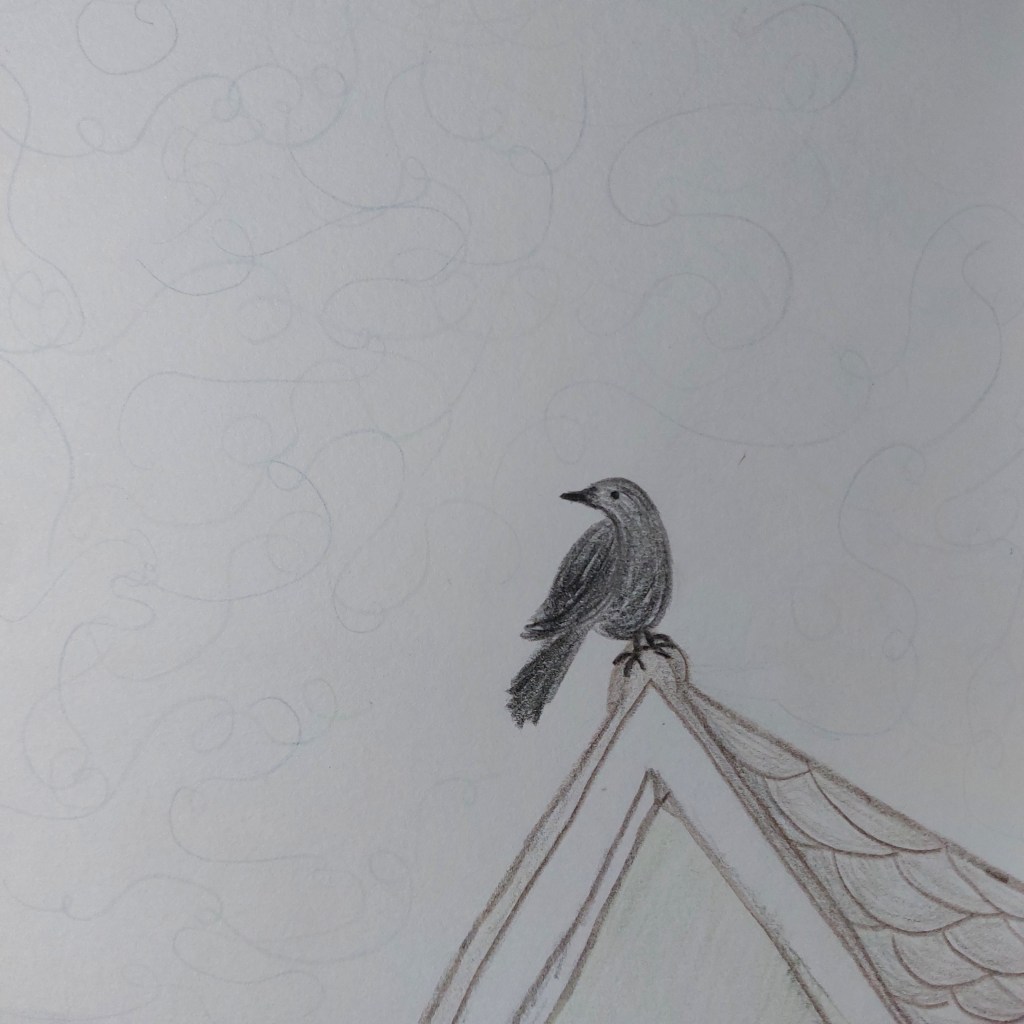
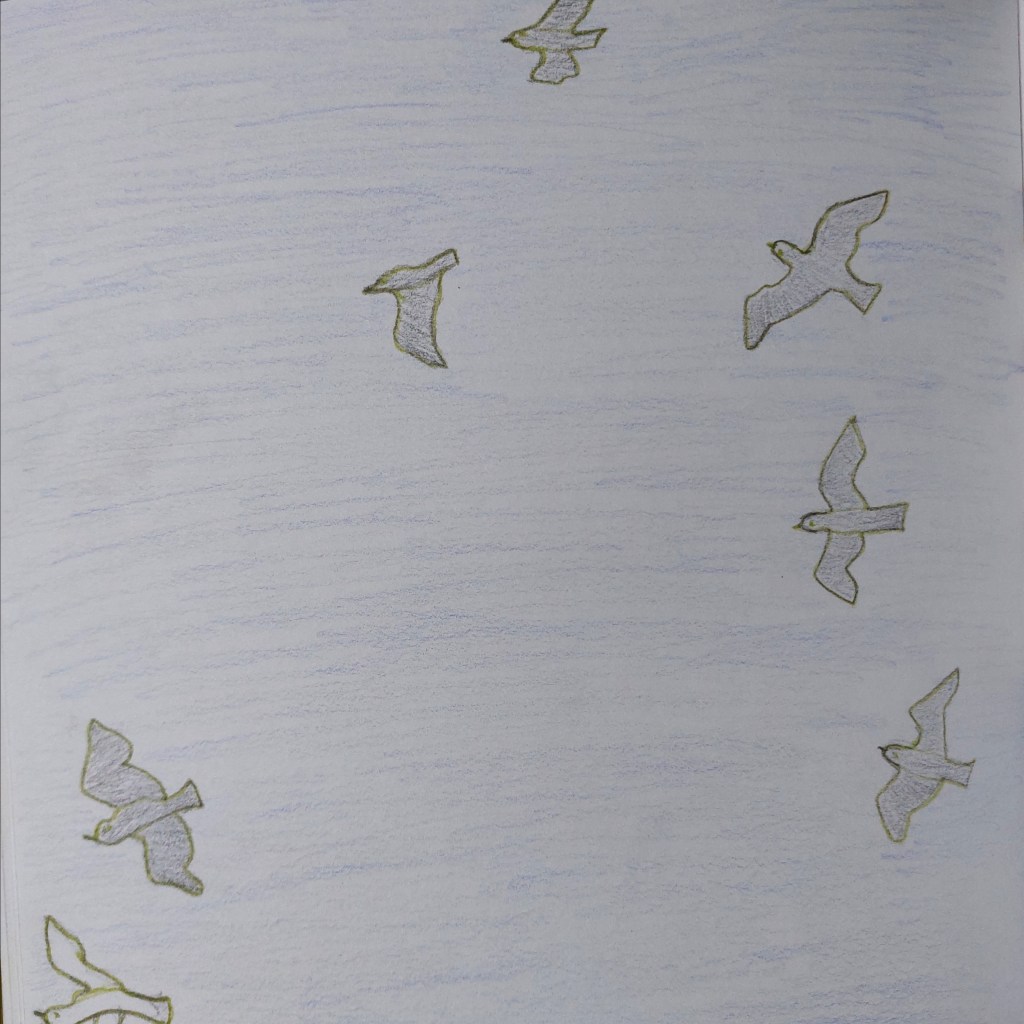
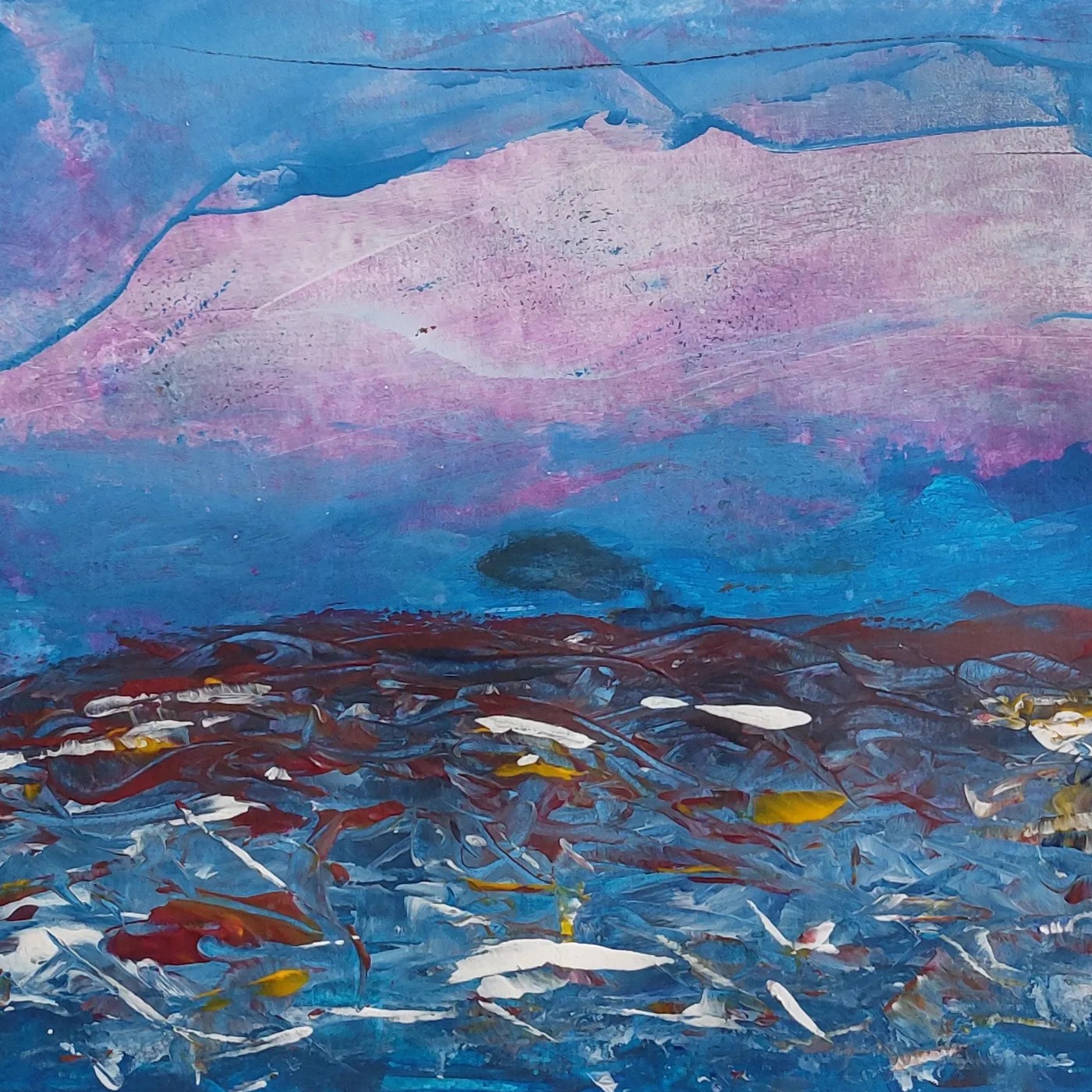
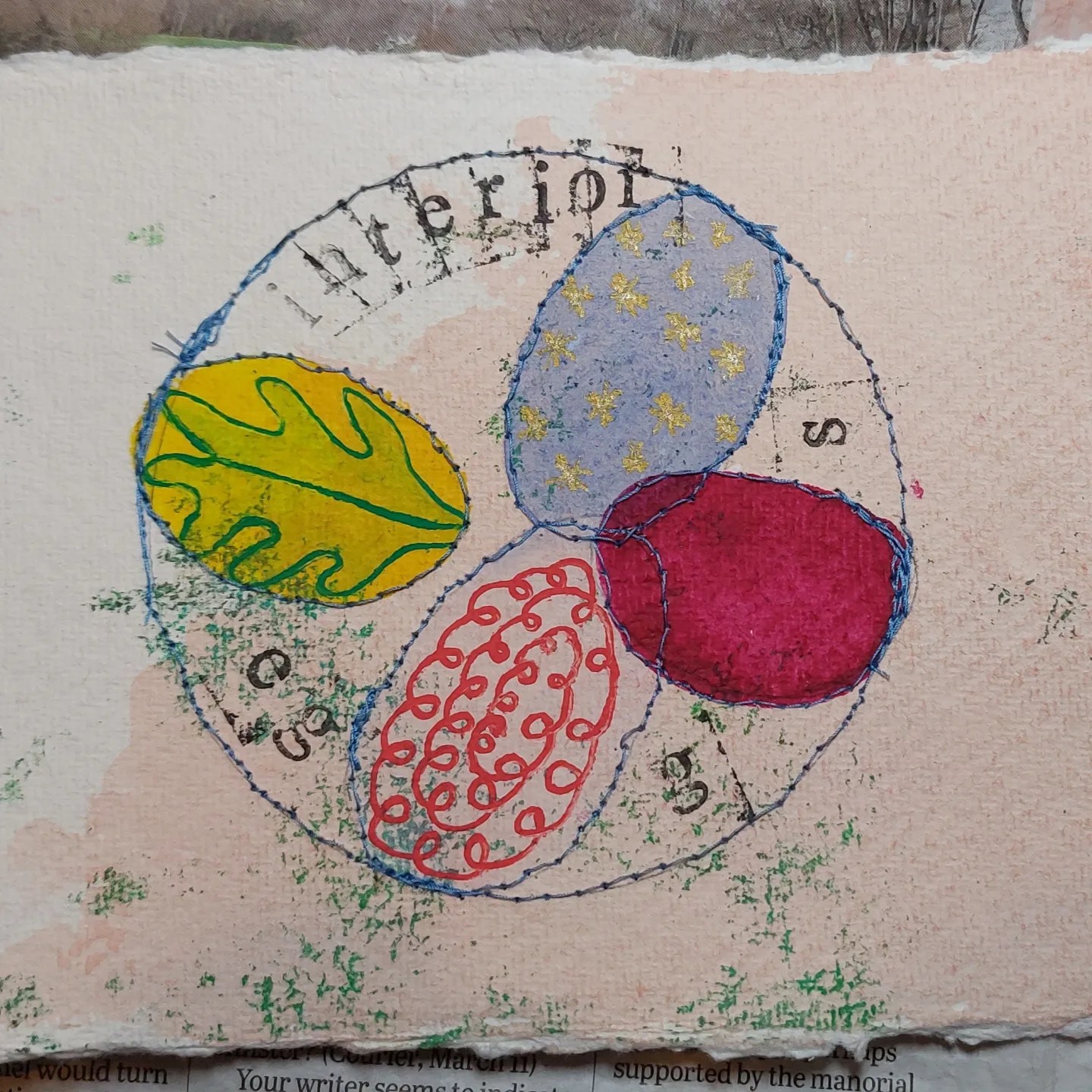
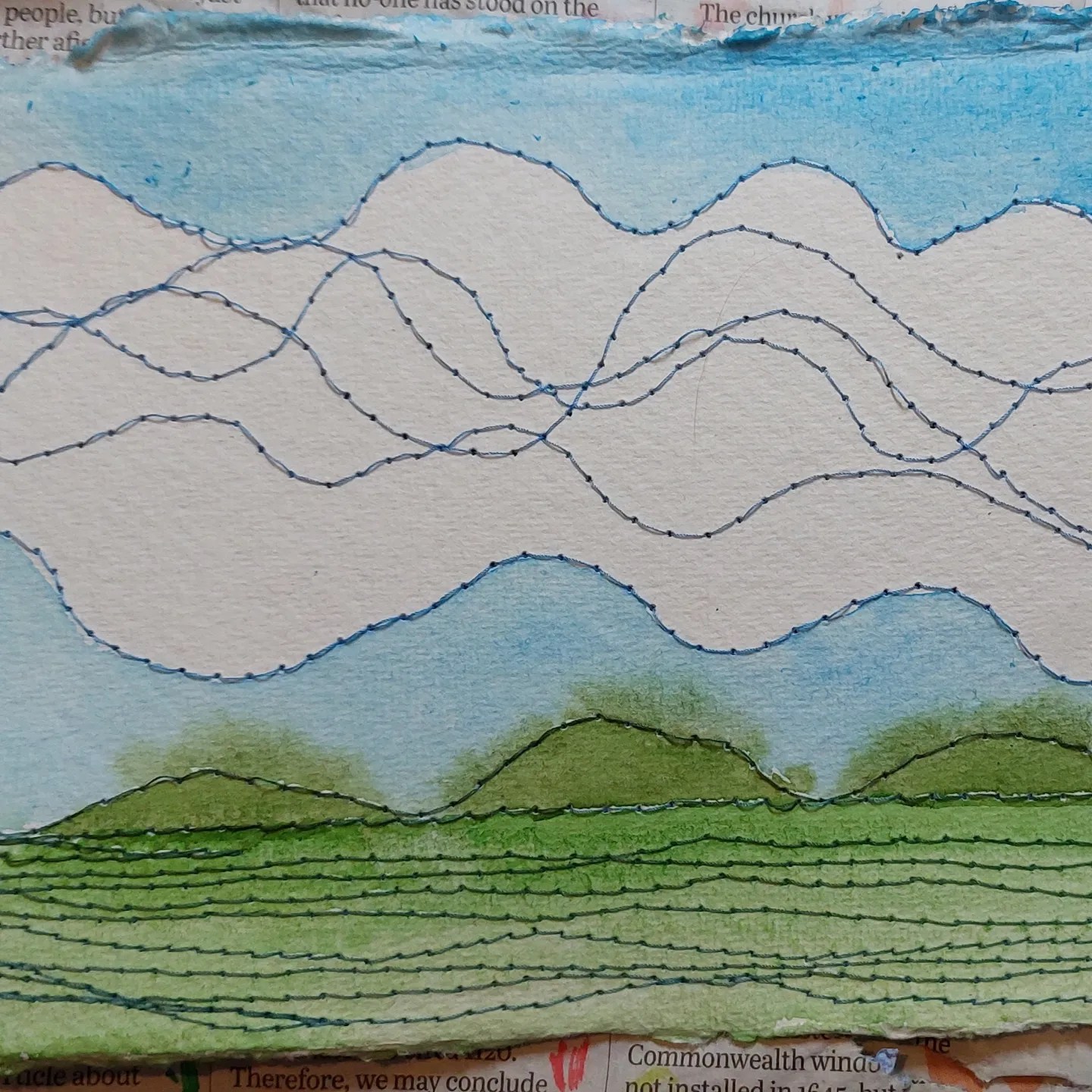
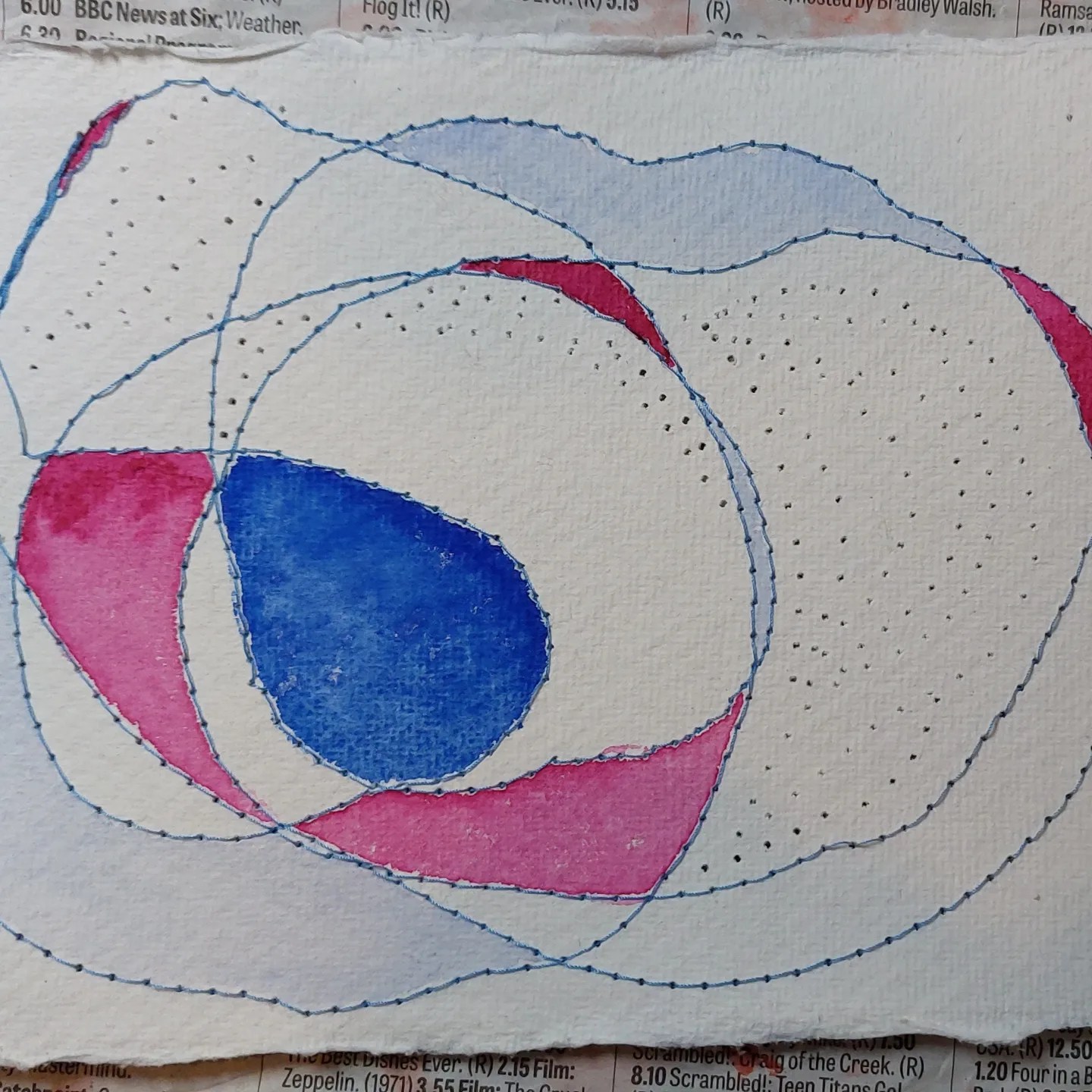
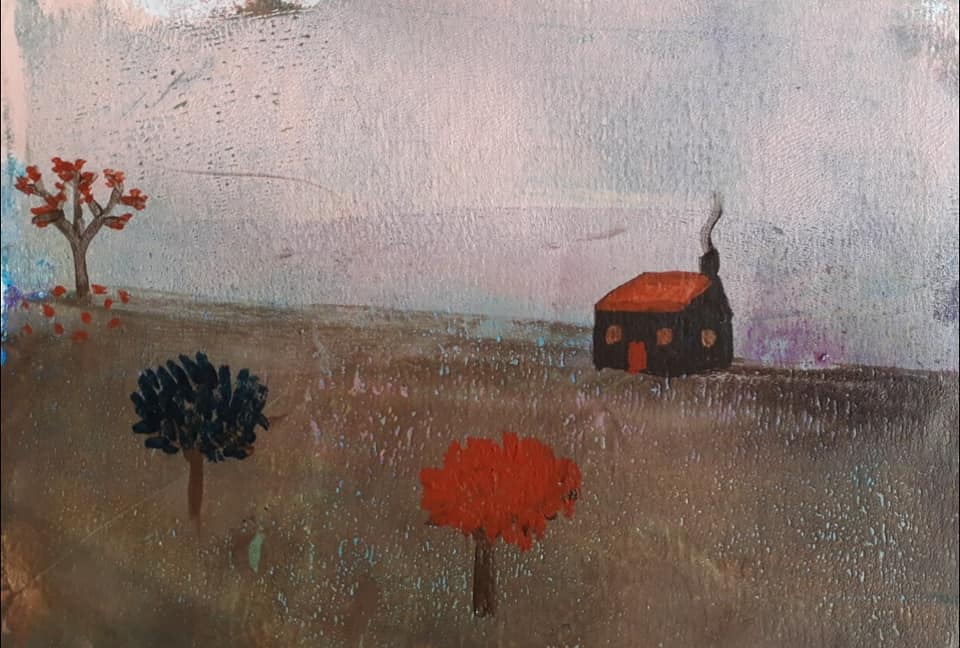
Ok that’s enough of the tips from me. I will leave you with a few drawings I made whilst recovering on a trip to Cornwall.

Until next time.

Lucy x

Posted in creativity, Development, drawing, Inspiration, Novel, Uncategorized, Writing | Tagged , , , , , , , , , , , , | Leave a comment

Ready, set, collage!

Hello

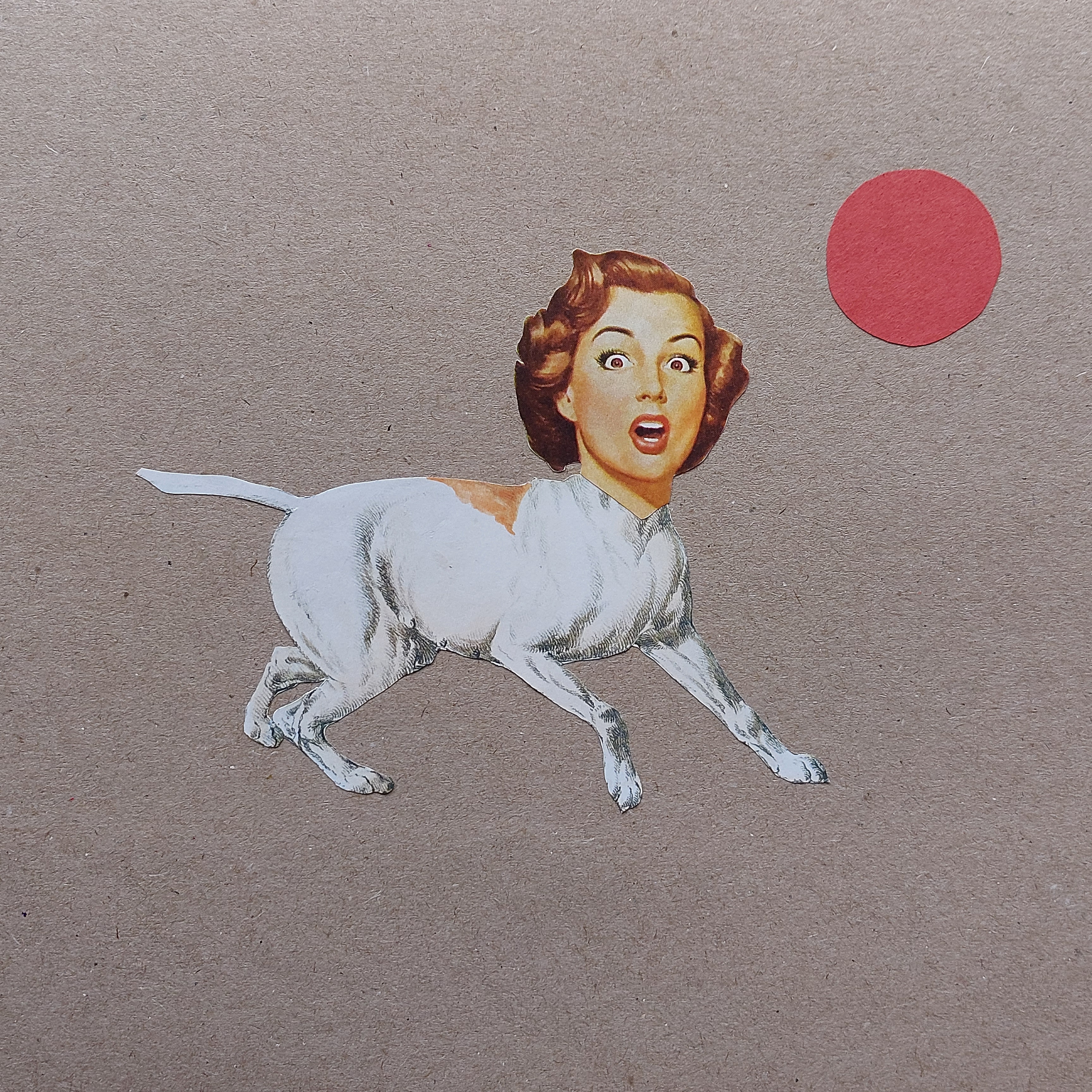
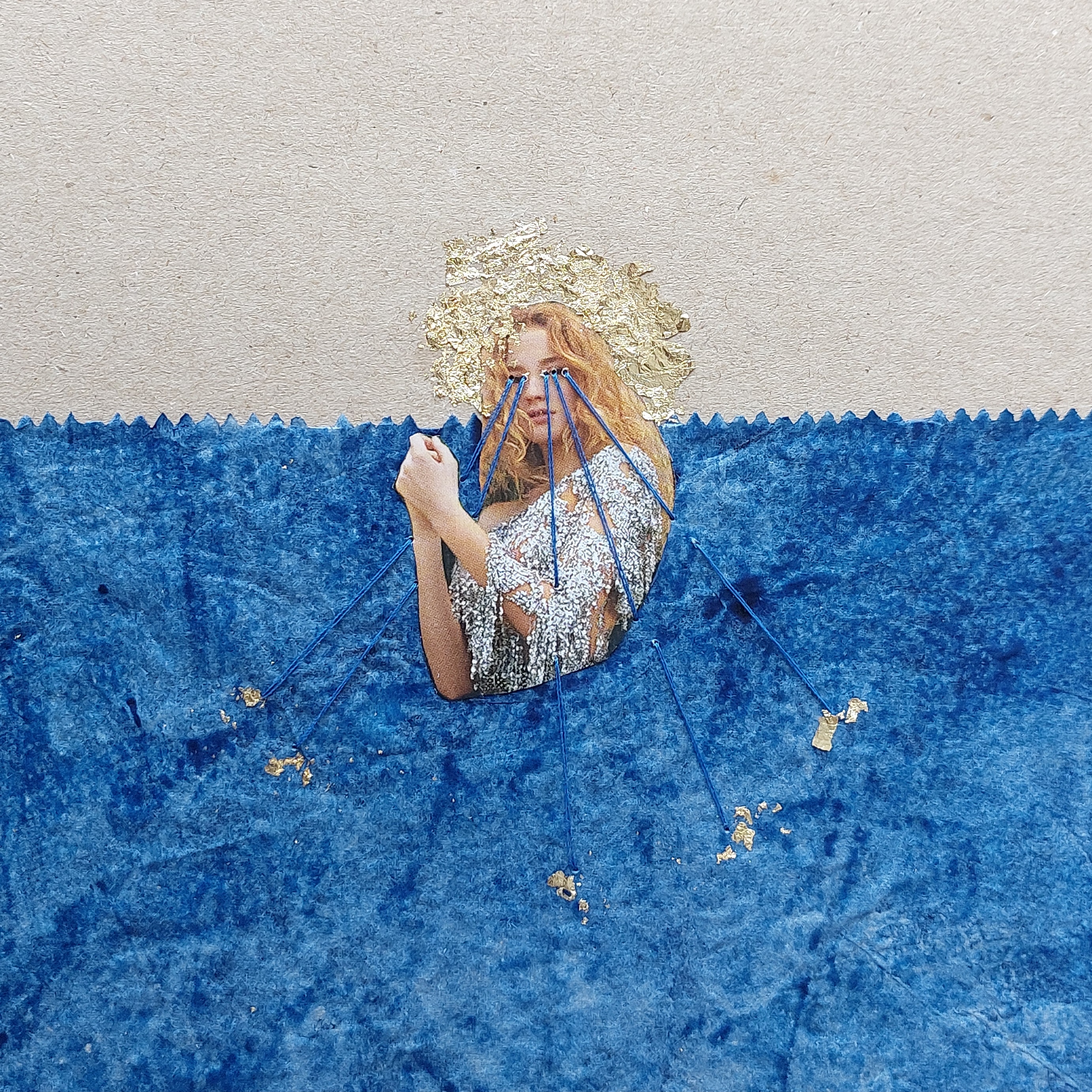
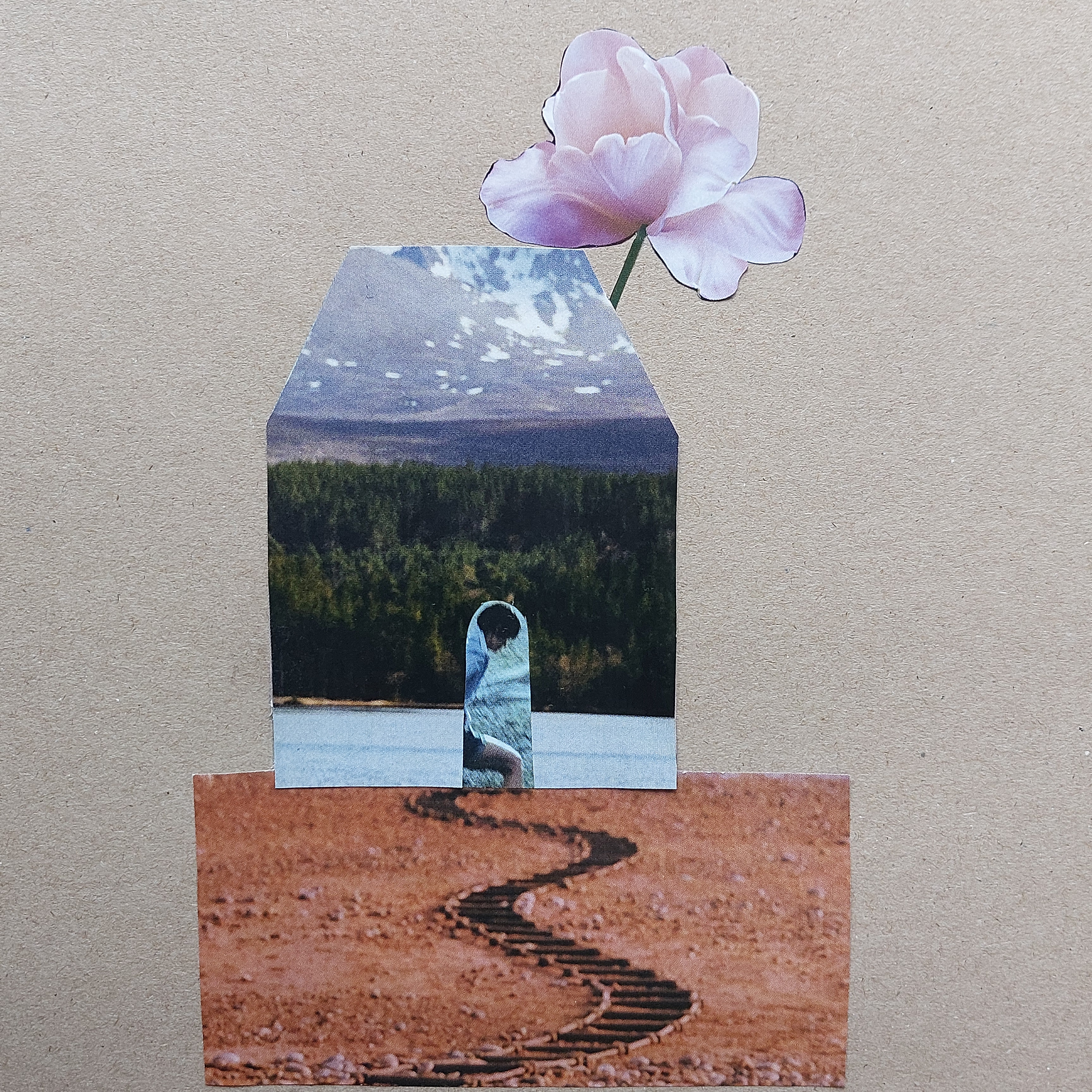
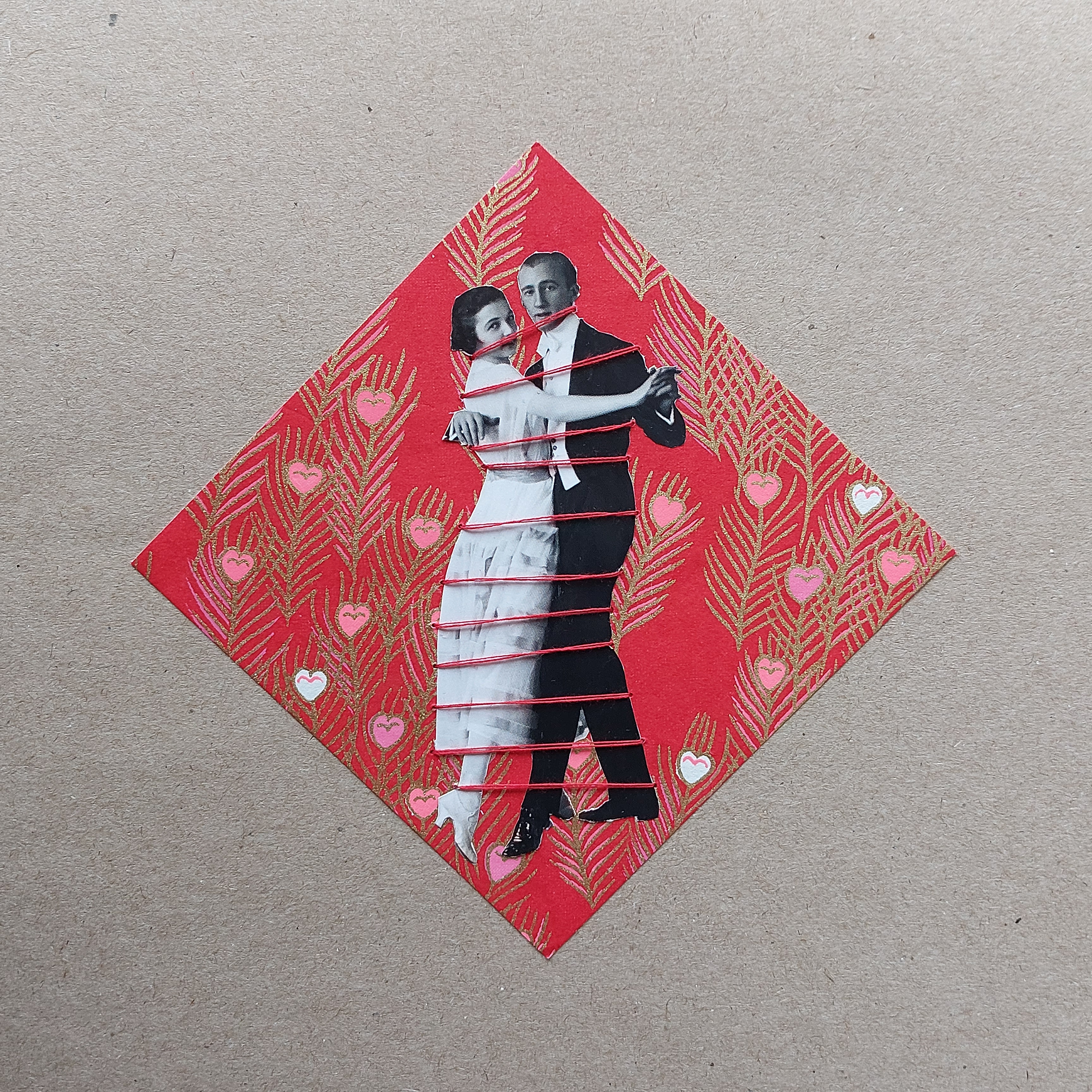
I hope you had a good month. I just thought I’d pop in and share the collages that I made for Februllage. In last month’s post, I mentioned that I was taking part in the challenge led by two collage artists, who posted prompts for every day of February that participants then made collages inspired by. We all then posted our collages on Instagram with the hashtag.

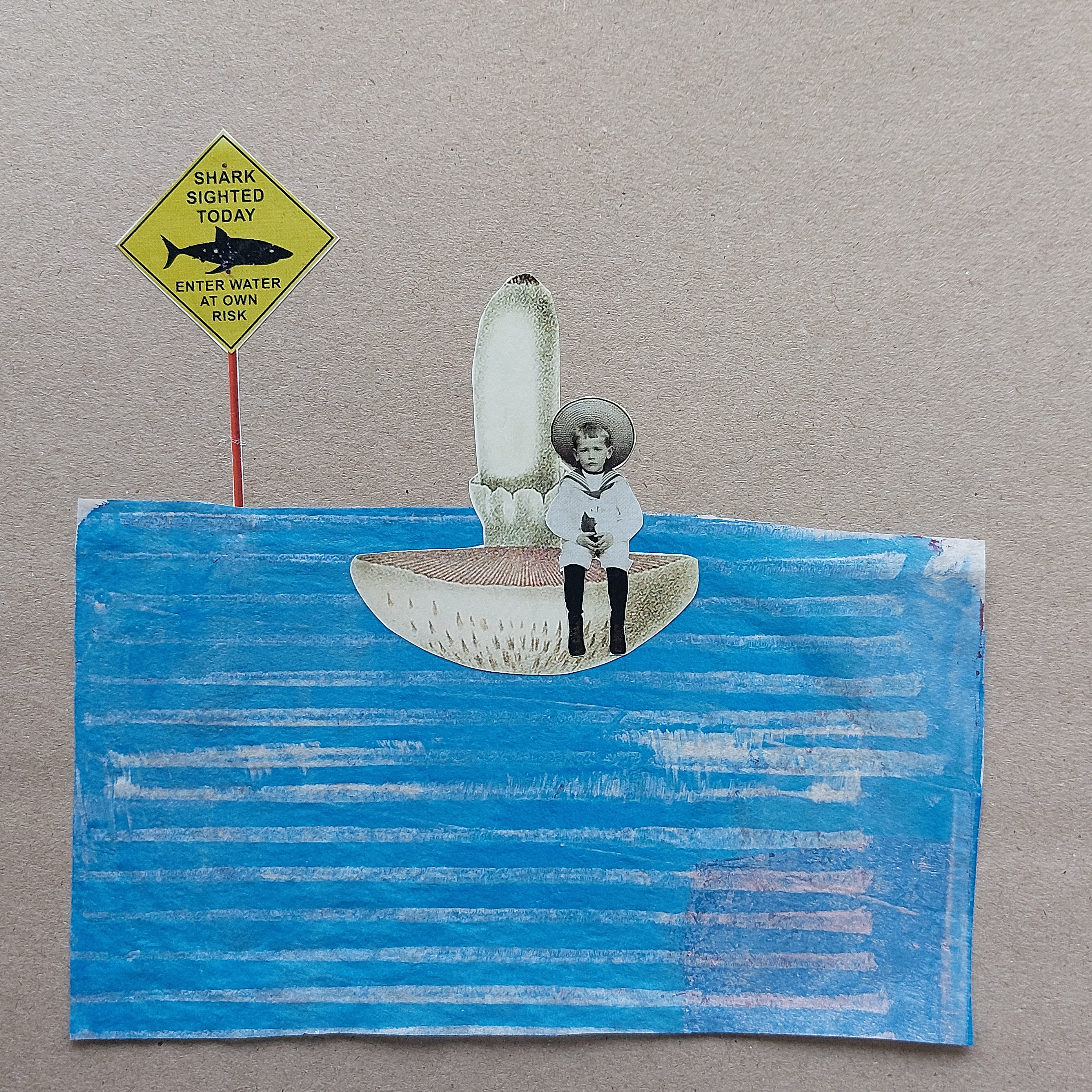
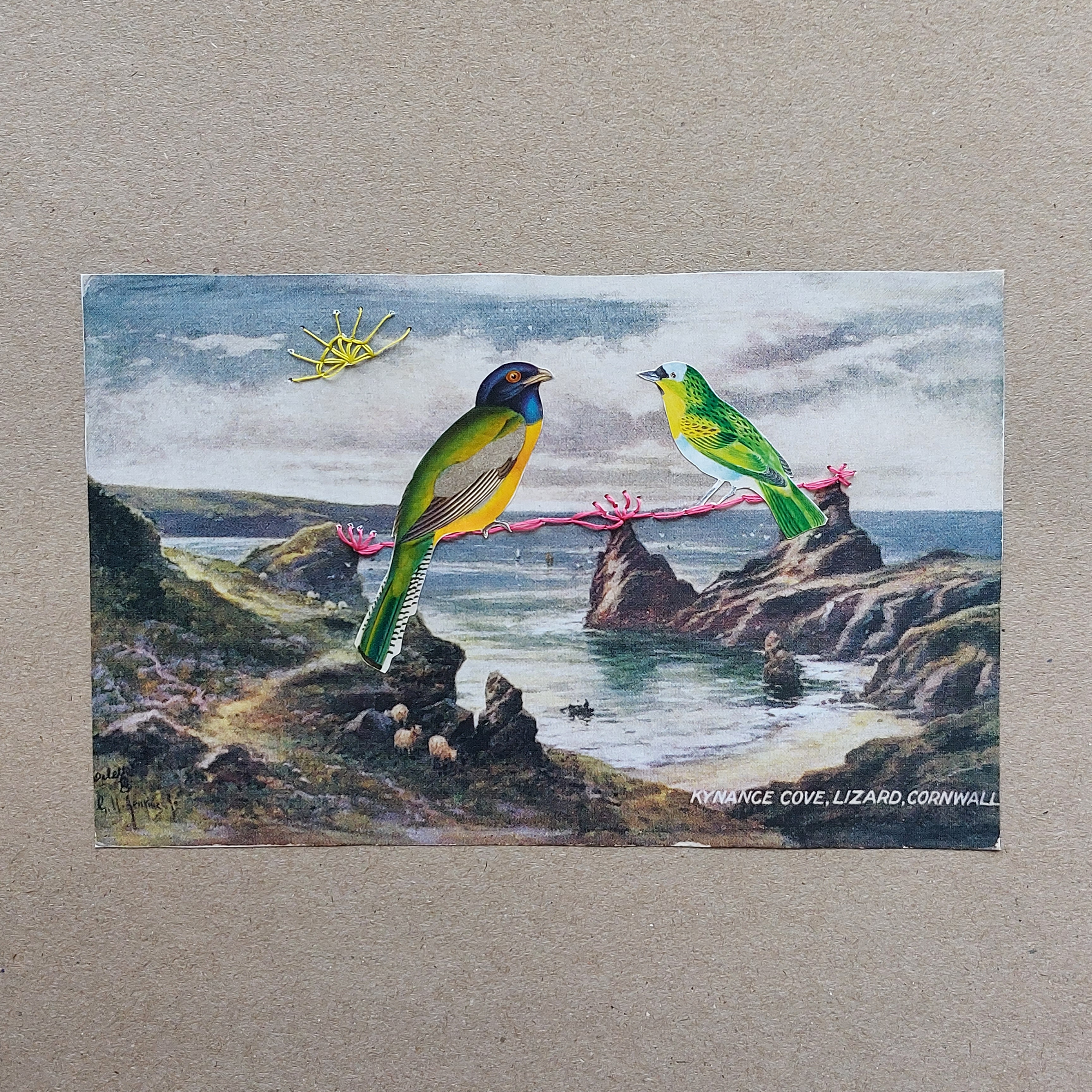
I was really chuffed that I was able to keep up, and produced 28 collages over the month. 4 of my pieces were even featured via the official channels for the challenge! I also connected with a lot of other collage artists -there were 78,000 artworks posted in total which just blows my mind- which was also really inspiring.

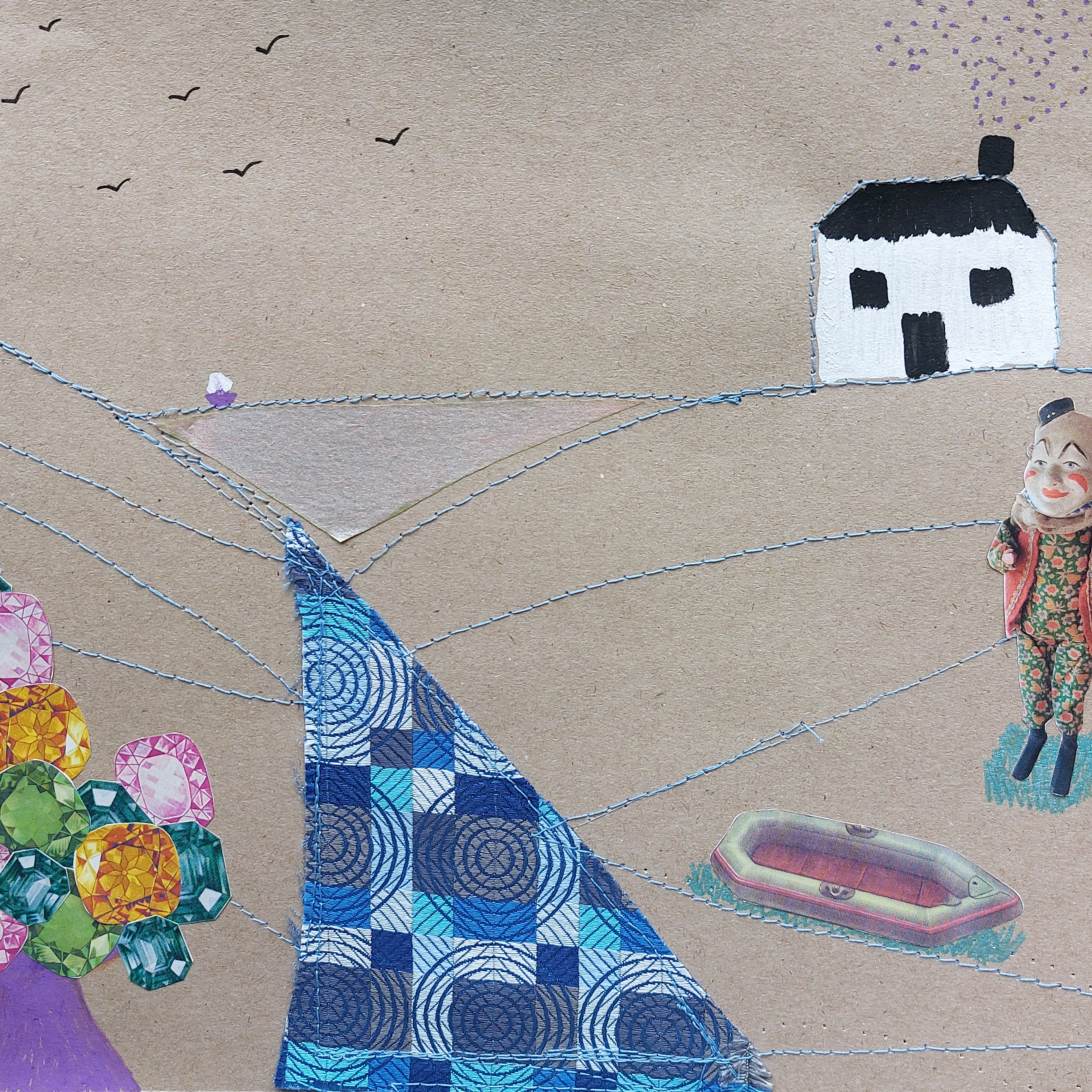
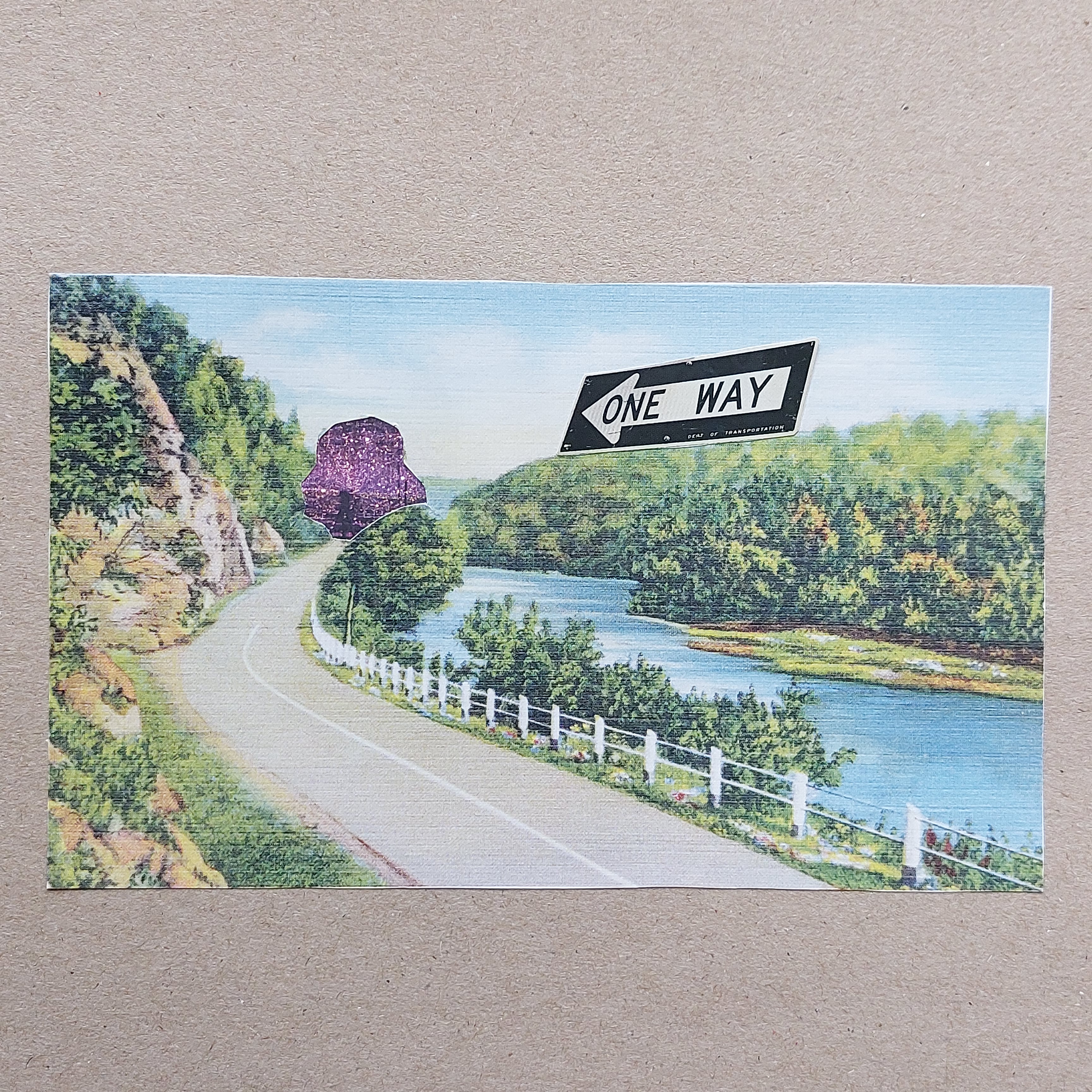
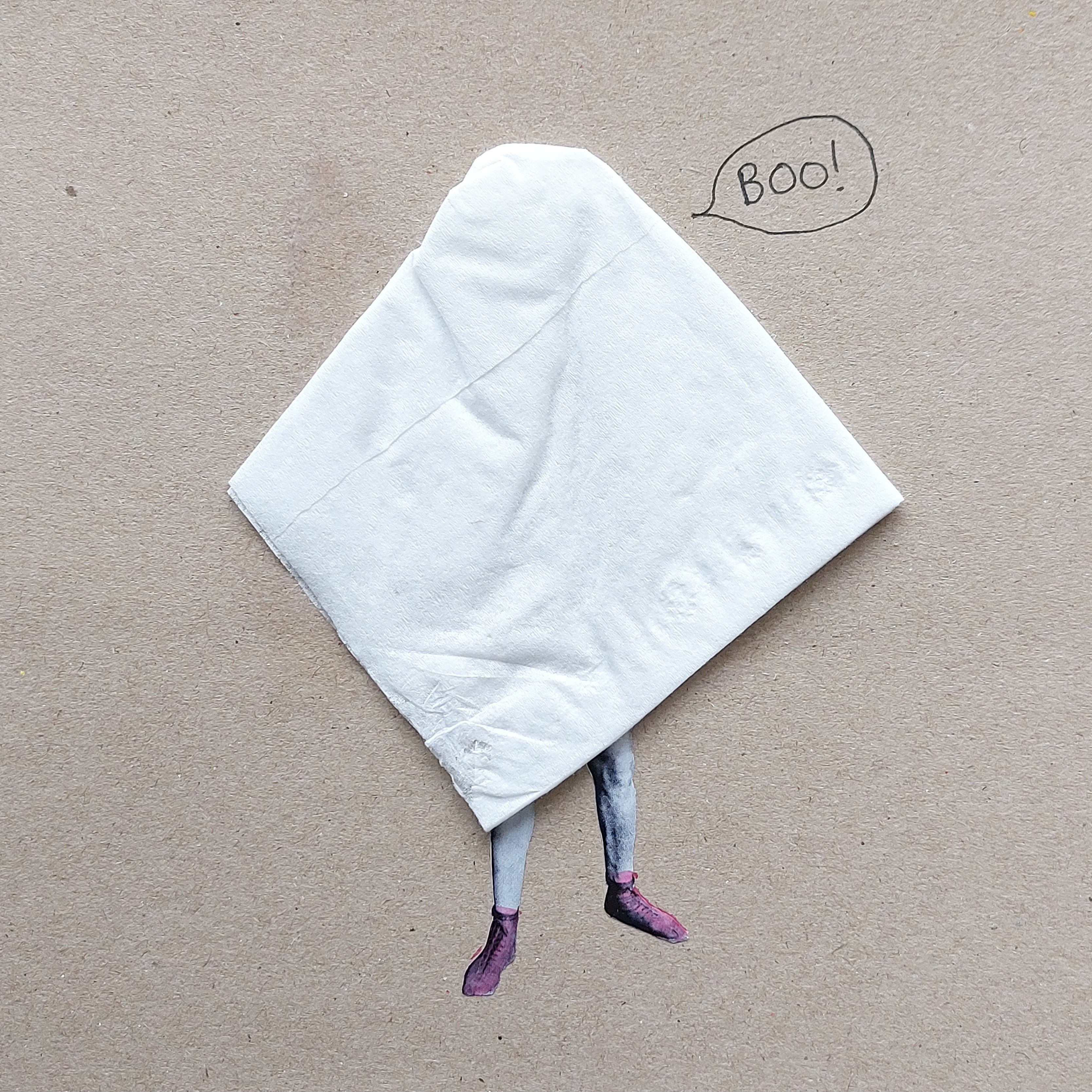
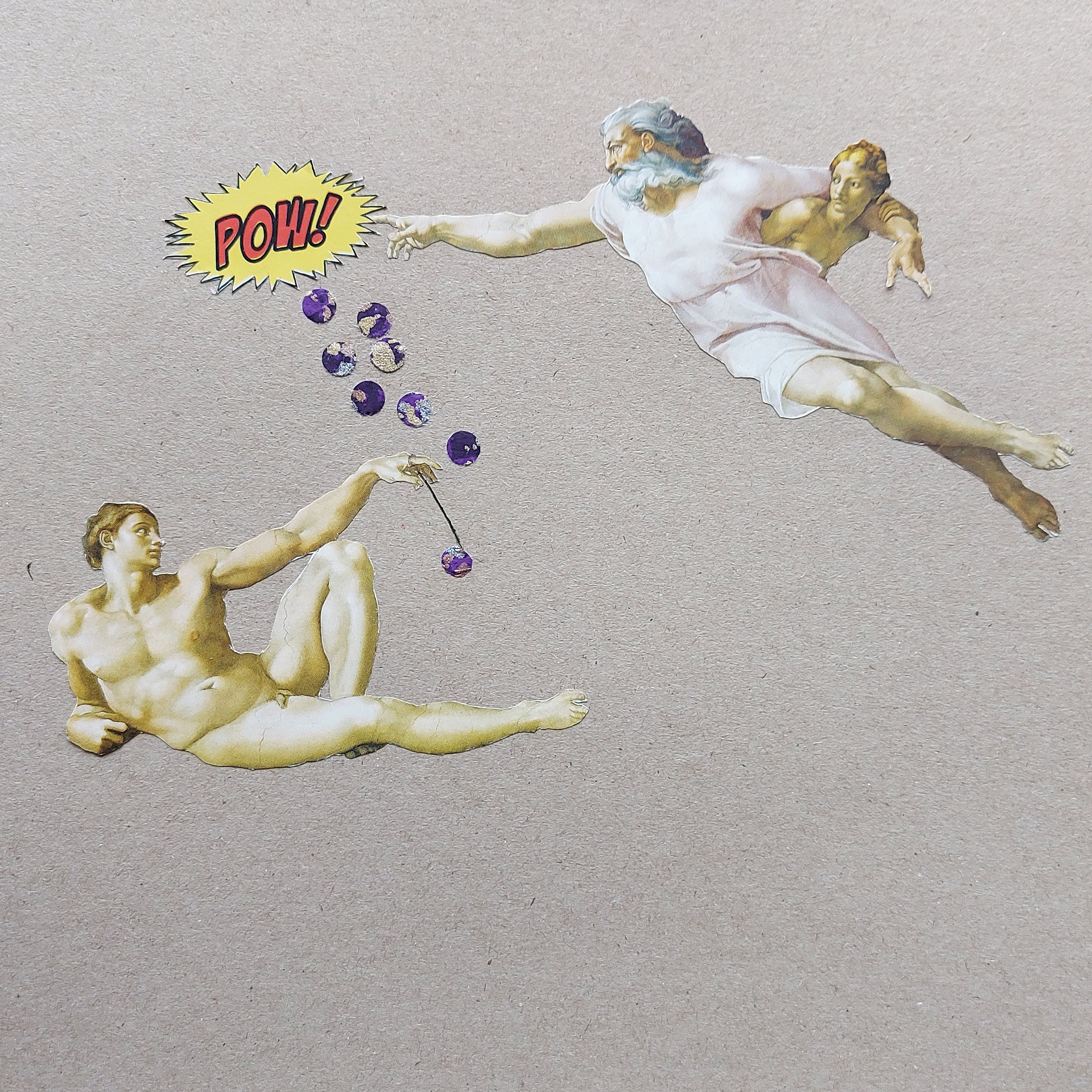
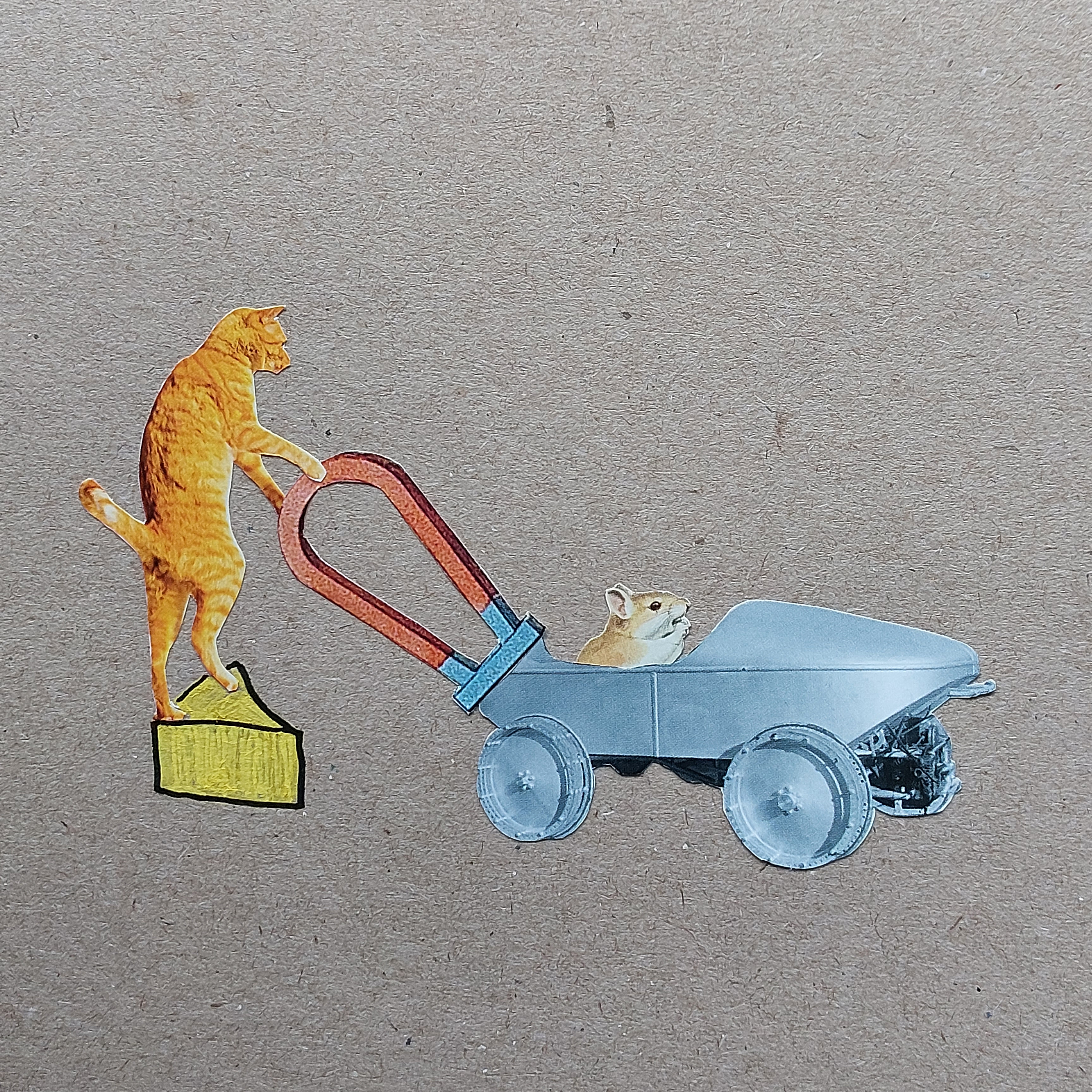
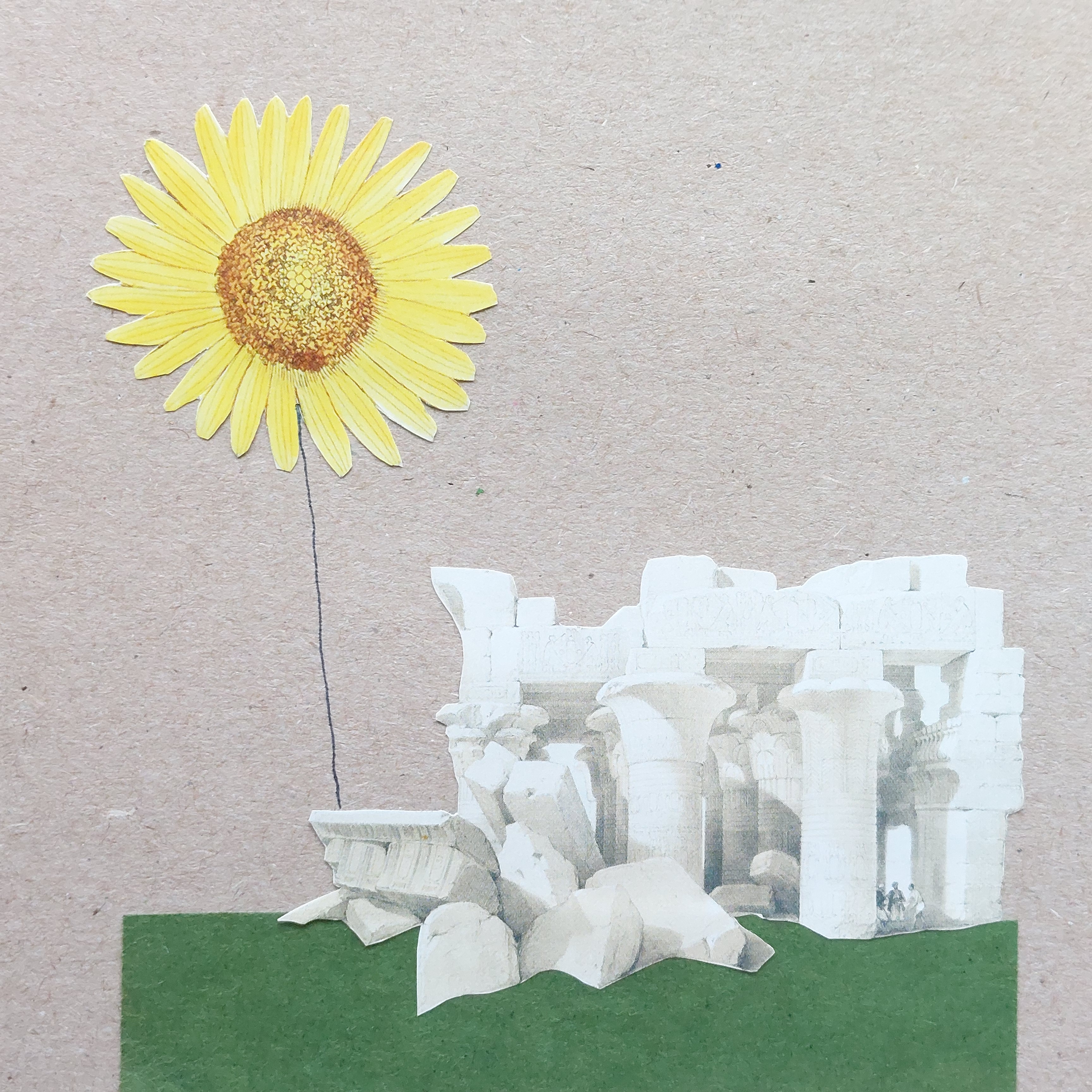
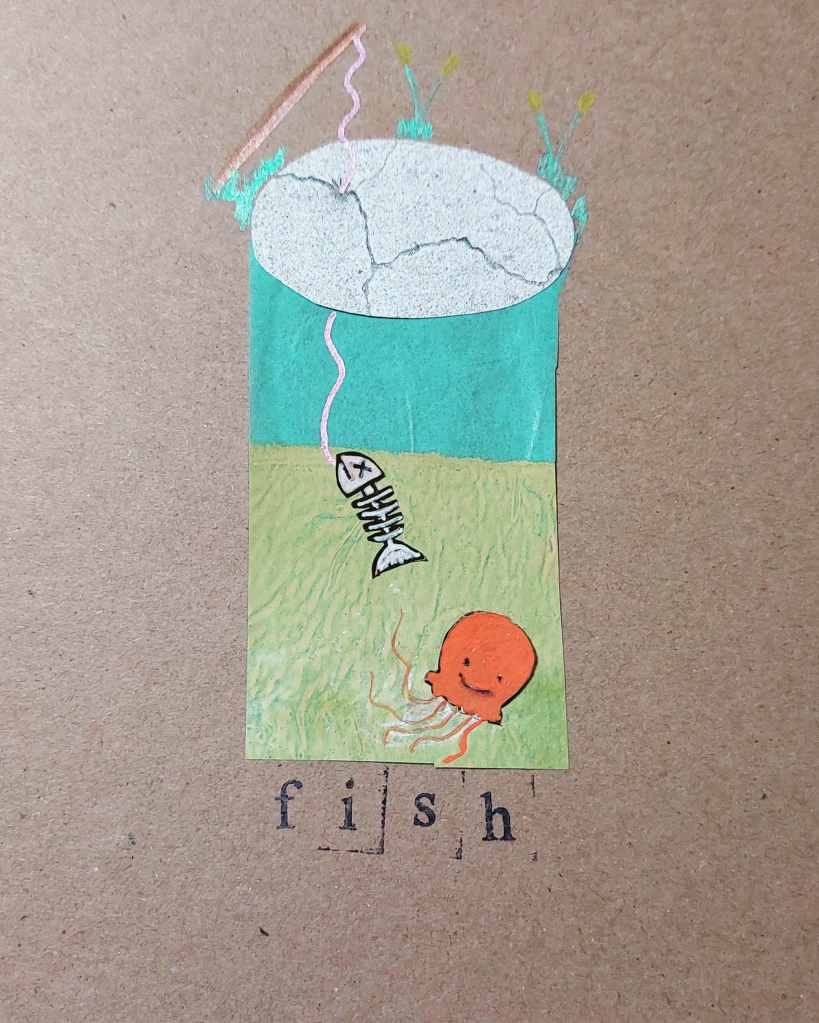
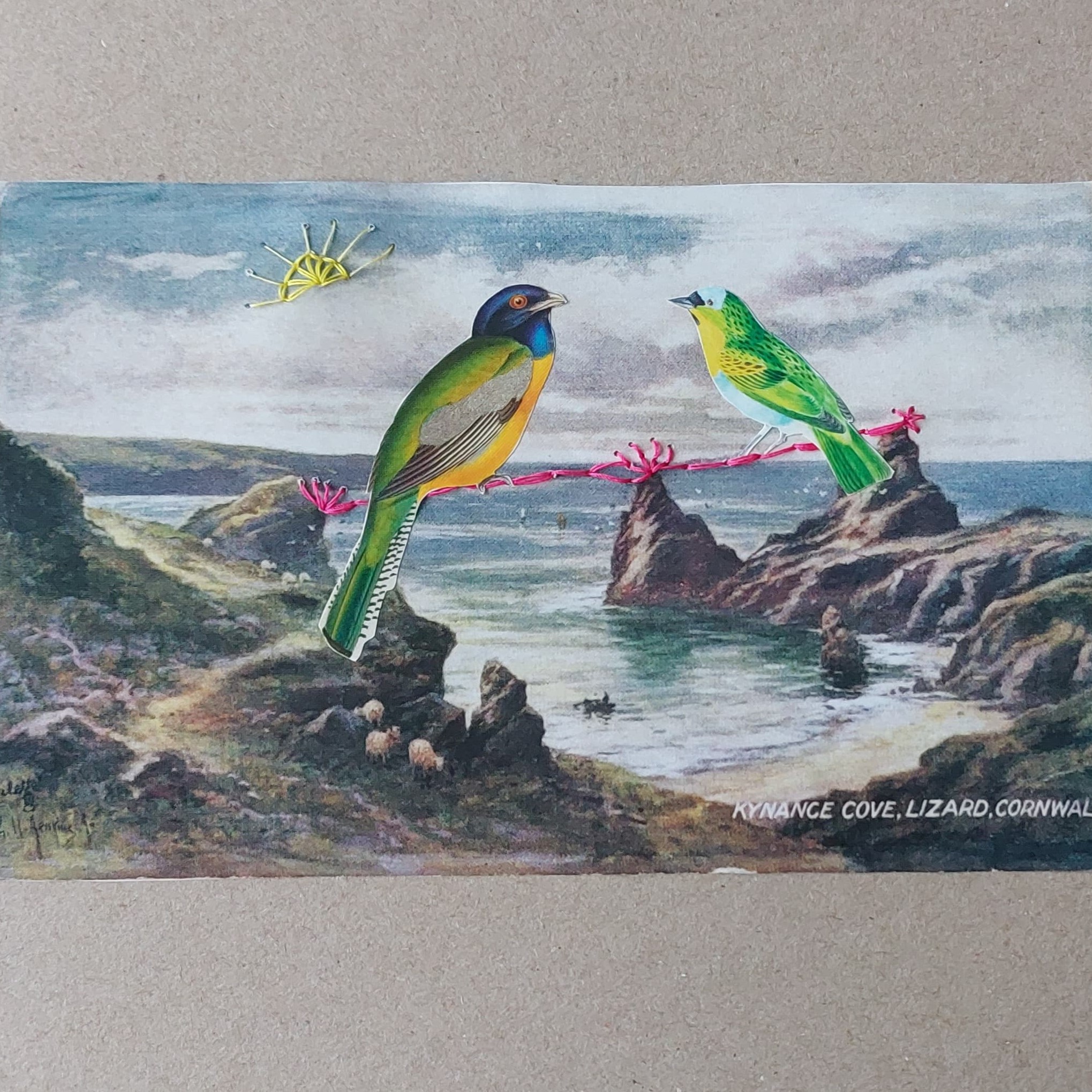
Here are the collages I made:

My five tips for making a collage

Gather materials
There’s no doubt about it, having a lot of different materials helps. As well as magazines, vintage bits and pieces, your own made or printed papers, I’d say a book of random things really helps. I’ve used ‘Things to cut out and collage’ by Maria Rivens, which I bought some time ago, and found it also helped as everything on the pages is somehow out of context. For example, sometimes you look at a magazine picture and don’t see the elements that make it up; if you have, I don’t know, a fish that you’ve cut out at random from a page of different fish ready to cut out, you’re more able to (or at least I was) to then see elements in a magazine image that you can cut out and use. It helped me to break down what I was seeing and transform it by putting the image together with something else.

Don’t plan
I might come with an idea after reading a prompt, but if I tried to match what I had in my head to the paper it rarely worked out, so instead I gathered images that I gravitated towards for the prompt and then saw what fit together.

Have something that brings the pieces together
So when I started this collage challenge I decided I’d do them all on kraft (brown) paper. This gave me a restriction but also something to respond to for each one. Now I look at them all together, it makes them feel like they’re a series of works rather than random pieces. (The paper was A4, which I used landscape, but I was working with 1:1 ratio for the photos of the pieces, so the kraft paper isn’t visible for all of them in the photos, but it’s there on the actual pieces).

Have a piece of handmade something in there as well
In nearly all of the collages I made, I included either a line, a print or a stitch that’s by hand. I really like the contrast this brings to the work -none of them look particularly slick- and I like that. It’s all just me doing it with my hands, mistakes happen, things don’t look perfect and I like that handmade quality in there. It makes the piece feel like its mine.

Don’t overthink it
I definitely got more ambitious over the month, but sometimes the simplest pieces actually worked the best. If you try this for yourself, don’t get precious, have a go and if it looks awful, work out how it can look better. You might be surprised with what you come up with!

Until next time!

Lucy

Posted in art, creativity, Inspiration, Uncategorized | Tagged , , | 1 Comment

Writing a novel is a marathon, not a sprint. (But there may be some sprinting involved!)

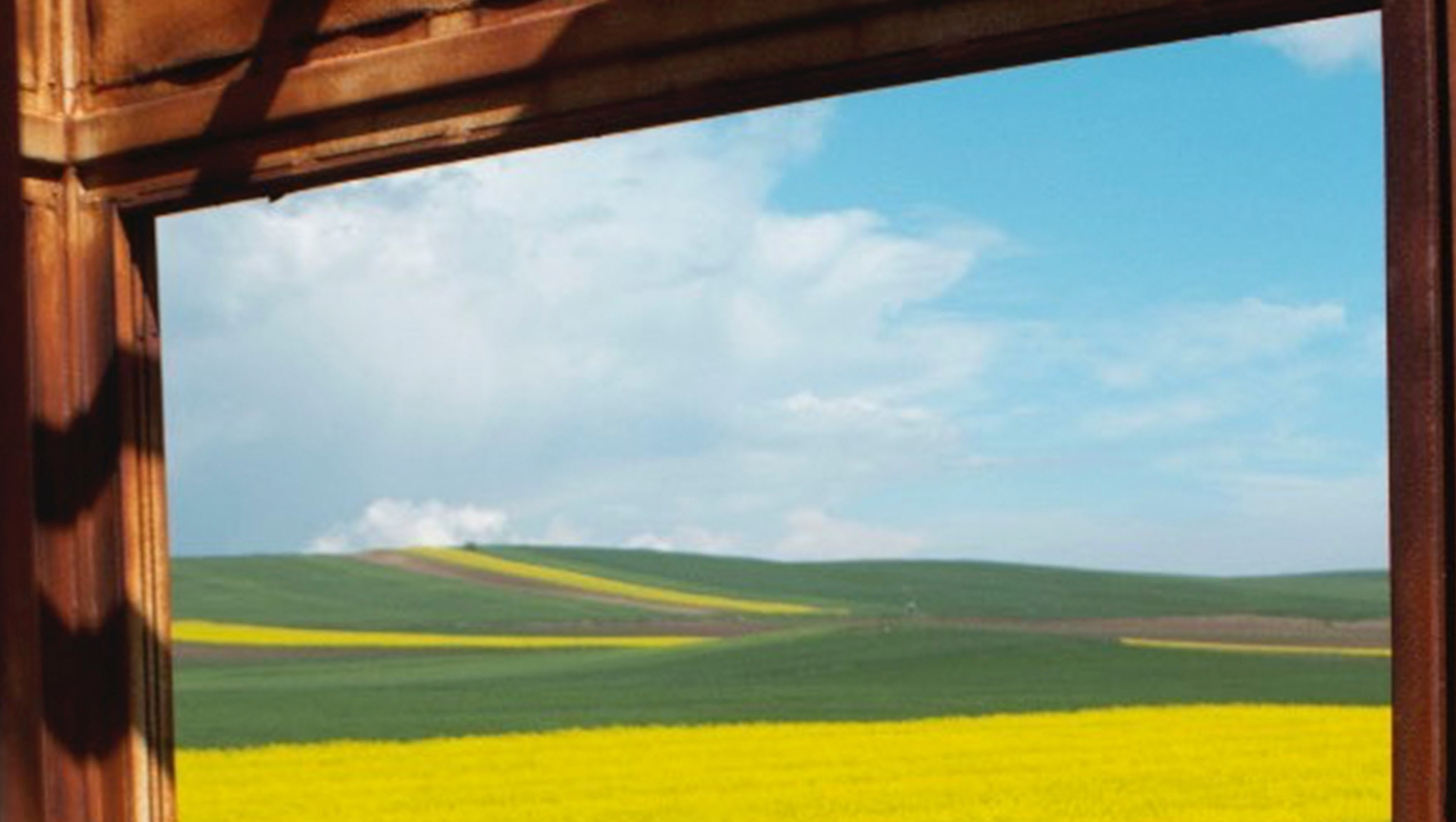
View from my window during my October writing retreat.

It’s done. The second draft of my novel is finally finished. I can’t quite believe it. I also can’t quite believe how long I’ve been working on it:

Feb 2020: After brewing the bones of the story and characters on and off for years, I put my play on the back burner and did a ‘writing magical worlds’ course where I explored the main character and elements of the story, writing a short section (which is now at the end of the second section of the book).

Mar-Jun 2020: After the course, I was going to get back to my play but when Covid came to our shores, there was just so much time at home! I couldn’t waste this opportunity so I wrote the initial ‘brain dump’ over lockdown 1, with the help of Camp Nanowrimo and another ‘fantastical fiction’ writing course.

Jul-Dec 2020: I typed my bleary long-hand up, printed it out, and read it ‘as a reader’ to get a sense of what I’d created. I learnt that there was little major conflict and the antagonist wasn’t defined. I had more work to do.

Jan-Apr 2021: I began to rewrite after some world-building and story development. I also attended a course to help me understand the essential elements a novel needs.

May 2021: As part of the course I was given a report on the first few thousand words, which suggested I take it down to two points of view amongst other things.

Aug 2021: I began to properly redraft with the help of a bullet journal, which was a game changer for my process.

By May 2022: I had a decent draft, but it still wasn’t there, some emotional beats were missing and I was still being too nice to my characters. I took a break and focused on art instead.

Aug 2022: I was back to the novel, working towards a writing retreat week for October, which catapulted me back into it.

Jan 2023: By the end of the month, I finished a very decent draft.

For any writers reading this, these are my recommendations if you’re thinking of writing a first novel:

The bullet journal

A friend suggested I have a go at using one and it’s been a game-changer. It’s helped me establish a writing habit and has been a constant companion that’s encouraged me to keep going (and sprint to some milestones) as well as somewhere to log achievements. I also use it as a reflective space to write about my writing sessions AND I’ve used it as a ‘knowledge book’ on the world of the story, so all my world-building is in there as well. I’m actually on my second journal for this project with no intention of stopping using it.

My Kindle

I’ve printed full drafts out twice but to do line edits a couple of times in quick succession, I’ve emailed the manuscript to my Kindle and used the highlighting and notes function to make line edits, which I then go back to the manuscript to update. This has been handy and also makes me feel like I’m reading someone else’s work, rather than editing my own, which has helped me gain some perspective on my writing.

Taking a break

It felt odd to take a break from a project that was taking so long, but doing Find Your Joy art course helped me do something different but still creative, and I came back to the project fresh. I think it also unblocked some issues I had and brought a different viewpoint due to the time spent away.

Something that the course encouraged was for you to think about how you develop your own process and create art you love, rather than what you think you should create/what other people like. I’ve come back to the novel really wanting to make it mine, rather than perhaps what I thought a novel should be. I’ve worked in publishing. I know how hard novelling is, I had no idea why I challenged myself to write a novel, but enjoying the process, and thinking about the product as only needing to satisfy me has helped me keep my head.

So, I hear you ask, what’s next?

Well, I’m having a rest.

Over January I created this Pinterest board to help me kickstart my creative ideas for my visual art. I’m currently taking part in #Februllage2023 on Instagram -you create a collage to a daily prompt- as a fun, low hassle way to get back into art and still feel creative. Here’s my work so far:

The first two prompts are Fish and Smile. Can you guess what the other two prompts are? I’m hoping to keep this going all month but we’ll see how it goes. Check out how I’m getting on via my art Instagram.

I’ve arranged a mentor to help me develop the novel further and it’s with her right now. She’ll be reading it this month, giving me a report and then will help me work it up over the year. I was very nervous handing it over to her as no one else has read the whole thing, but I love the world I’ve created and I want to make it the best story it can be. So watch this space for what happens next.

Until next time!

Lucy

Posted in art, Inspiration, Novel, Uncategorized, Writing | Tagged , , , , , , | 1 Comment

Where do you find your joy?

Hello friend!

It’s been a while, hasn’t it?

When I put my novel on pause to clear my head in May I didn’t think I’d be away for so long, and sometimes life takes us down the road less travelled and we fall down a rabbit hole of delight.

But I’m back.

I hope you’ve had a good summer. Mine was a voyage of discovering joy. Yes, I was finding my joy with Louise Fletcher on her art course, ‘Find your joy’, an intense 10-week programme that helps you find your thing in art making. It’s not about following her techniques but finding out what draws you, how you like to work and what you don’t like. You learn about composition and the massive part contrasts play in creating a piece of art that feels finished. And in the last module, you start to create a new series of work using what you’ve discovered about yourself over the course.

I had a fantastic time. Spent most of it letting my intuition guide me, which is sometimes tough when you resist to the surrender because you’re worrying that you’re not doing it right, but Louise and her course coaches emphasise that you’re to only please yourself. Because that’s where the magic, or joy, really happens. If you’re only pleasing yourself you can do what you like because it’s your rules. No one needs to see them ever if you don’t want to share them.

I discovered a lot about what I like in art making and what I don’t like, and I found some great artists as inspiration. I made art I didn’t like and slowly but surely made art I did like. I haven’t finished my series of paintings yet for the last module so I can’t share those, but I have found my own direction of exploration which I’m so excited about: imaginary landscapes.

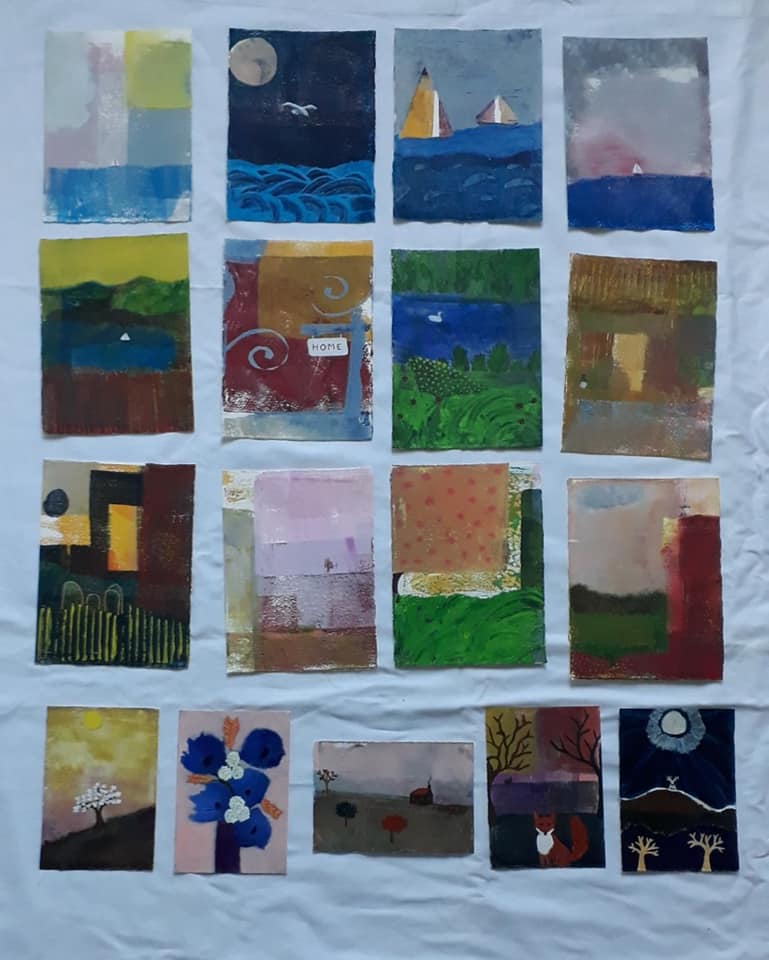
Here are a few of the pieces I made over the course so you can get a taste of the kinds of work I produced (and I liked producing):

So, what now?

Well, I’m still working on my series of paintings but I’m back on my novel project.

After two whole months off, at the end of last month, I got back to it. In May I’d printed out the draft I had, to draw a line under that work, and once I’d finished my art course it just started looking at me from where I’d stowed it. I finally picked it up and read the whole thing.

I was pleasantly surprised with all the work I’d done and because of the break and some fiction reading I’ve done for fun I could see it in a whole new light.

And now the work begins again.

I have a writing retreat booked in October and am working towards getting my thoughts and reflections collated together to make that a whole week of just rewriting. I want to reduce the word count by about 20-30,000 words and tighten it up. It feels like it’s at the point I get to with my plays where out of the mass of story and scenes I have, I find that central thread it all points towards, and I go back into that thread and craft the story around that. I’m so excited but wish me luck! It’s going to take a while. More than my week of retreat I expect but it will give me a good start.

What’s inspiring me?

Landscape and seascape artists

Emil Nolde The Sea

During my course I discovered: Emil Nolde who was a new one for me and Barbara Rae. Take a look at their breath-taking work. They are a constant inspiration.

YA fiction series

Divergent by Veronica Roth

Oh my goodness. If you’re in to young adult dystopian fiction, have you read the Divergent series? I binged it in a week and felt, I think, actual grief by the end, especially when I finished book three. It’s told in first person present tense, something I didn’t think would work but gosh it totally worked on me!!

The Virgin’s Promise

The Virgin’s Promise, writing stories of feminine creative, spiritual and sexual awakening by Kim Hudson

I’ve heard reference to this book a few times and finally wanted to see what all the fuss was about. It’s actually really helped me to see my novel in a different way, and has helped me find that central thread that will bring the story together. If you’re thinking about structure and the emotional beats of your writing check it out.

Where do you find joy?

One thing I learnt about myself through doing this art course is that I find joy in doing different creative things. I was once told that if I did too many different creative pursuits, e.g., writing, directing and designing I wouldn’t learn as much as I would if I just concentrated on one. Over the years this suggestion got louder in my head, and, I realise now, that I was rushing for results, got too focussed on just one craft and I lost the joy. Moving from writing to visual art over the last two years has really brought me a lot of joy, and I’m finding that each pursuit is feeding the other. I would never have been brave enough to take 2 months off the novel, at this point in the writing process, if I hadn’t had another creative pursuit to immerse myself in. And although it means it may take longer to finish one thing, it’s keeping me fresh in the work and I’m loving being in the middle of so many projects.

Until next time!

Lucy

Posted in art, creativity, Development, Inspiration, Novel, Writing | Tagged , , , , , , , , , , , , , , , , , , | Leave a comment

“The gardeners dig a hole, drop in a seed and water it…” George R R Martin

“The gardeners dig a hole, drop in a seed and water it. They kind of know what seed it is… But as the plant comes up and they water it, they don’t know how many branches it’s going to have, they find out as it grows.”

George R R Martin

This is exactly how I’ve been finding my writing recently. Since December last year my novel has taken most of my headspace. It was going really well until I had a massive wobble early April where it was growing to such an extent, I wondered whether I was writing one novel or two!

I’m pleased to report that I’ve got it under control and, with some help, I’m back on the right track. I’ve made my first pass of my second draft and now have a cohesive story, I just need to do another pass to shape it properly before I’ll have a full story with everything in the right place.

In those weeks where it felt like the story was swallowing me up and eating me whole, I searched the internet and chatted with friends for help. There’s a lot of talk about the different approaches to writing, some asking are you a plotter (someone who plans the story out before they start) or a pantser (someone who just sits down and writes ‘by the seat if their pants’). But it was the George R R Martin quote above and his experience of being a ‘gardener’ that really helped.

When I first started writing I wanted to be a plotter but it just didn’t work out. I’d spend so much time thinking and planning it through that I’d over plot and over plan, killing the story. I’ve learnt over the last 10+ years of seriously concentrating on my writing that I write to find the story, not flesh out a predetermined plan -well not for my plays or my fiction work anyway. I enjoy the mental conundrum of following where the characters are going, their wants and needs, and how they’ll get passed the obstacles in their way. I enjoy learning through doing and writing is no different. If I plot it all out beforehand, I know what the story is so I don’t need to write it. Where would the fun be in writing a story you already knew?

But unlike a pantser I have to have an idea of where it’s going. I need to have a sense of an ending to write towards or a situation or problem to find the character’s way out of. I think and ‘brew’ a lot on an idea or a character or an image before I start. I find it quite painful when I sit down to write, and I haven’t done enough ‘brewing’ and nothing comes. Sometimes I can just take an idea or a thought for a walk (in the same way that visual artist Paul Klee talked about taking a line for a walk) and something may appear. When I used to do morning pages (a method of clearing your mind before you start your day in Julia Cameron’s The Artist’s Way) I’d often end up writing a story of some kind. And over a period of time that can stack up into something bigger, if the characters are ones you want to see again, but that’s very rare for me (and not the point at all of morning pages!).

I remember going to a talk by playwright Debbie Tucker Green where she said that most of her writing, at the time, ended up in the bin. I don’t know anything about her writing process but I wonder whether she may be a gardener too, planting seeds, seeing how they grow and having to except that sometimes conditions just aren’t right and it shrinks up and dies, and other times you plant a tree where you thought a tiny marigold would bloom.

That’s definitely where I feel I am with the novel at the moment (and I have a tree smiling down at me). I was hoping to have the second draft finished by June, but I need to get my topiary shears out and get the branches and leaves under control. I’m now hoping I can finish this draft by the end of the year.

What’s been inspiring me lately?

I’ve been reading more fantasy books to help with the novel which has been really fun. My recommendations are:

All Soul’s Trilogy by Deborah Harkness
Ok so I’m a bit late to the party with this. If you haven’t heard of this book, you may have heard of the Sky series The Discovery if Witches? Well, it started life as a trilogy, which I was totally sucked into over the last few months. It made me think a lot about what experience I want the reader to have whilst reading my story, and pacing and how to use exposition. Once I got into it I couldn’t put the books down. I needed to know what happened next and it delivered.

Night Circus and Starless Sea, both by Erin Morgenstern
Again, perhaps a little late to the party, but I loved both of these beautiful imaginative magical adventures presenting new worlds I really wanted to discover. They made me think more about world building and theme, and how you tie that into your central story.

I am not your Eve by Devika Ponnambalam
This is just out this year, and it’s not a fantasy one. However, it’s a beautifully told tale of Gauguin’s time in Tahiti and his muse (and child-bride). Retellings of Tahitian creation myths are interwoven with many different points of view, told in different ways. This really got me thinking about point of view and how much prose you need to tell a powerful story.


My bullet journal is a constant source of inspiration
I think I’ve mentioned this before and I’ve nearly gone through a whole bullet journal for the novel project already, but using it to track how much I’m writing, my reflections on those session, bits of back story I want to remember and lists of turning points, for example, has really helped me keep all my thoughts together. It’s kept me loving the writing even when it isn’t working, and is a constant place of comfort.

Louise Bourgeois
I hadn’t done any art for months because I’ve been concentrating on the novel, but I visited the Louise Bourgeois exhibition Woven Child at the Hayward Gallery at the Southbank Centre last weekend. She is such an inspiration, turning her life and her obsessions into art. Focused on her textile work, her simplicity of image was super inspiring.

I immediately came home and spent the next day playing around with my inks, watercolours and sewing machine and created these small pieces:

I’ll be taking a break from the novel now to clear my head, so more art to come in the next month I think. Keep up with my Instagram @lucyaveryart to see what I’m up to. I’m really looking forward to getting back to my art, partly because it gives me a different perspective on my writing.

I used to think that everything I did had to be starkly different from each other, though my friends could always tell what a ‘Lucy Avery play’ was… However, I often found myself fighting my instincts to work with a particular motif or images again because I was worried I’d be copying myself or that just wasn’t what writers did. Now, with the confidence art making has given me, I think of all my artistic work (written and visual) as a series of pieces where one is inspired by or in response to the last.

Working in a series is common in visual art, and I’ve found it so freeing. I’m finding some of the images I’ve used in my plays coming back again, and the novel is giving me the opportunity to go deeper. For example, at the moment the novel begins and end in a pool of water like Godless Monsters does; birds are a big part if the story, as they were in The Birdcatcher; and animals are key to transformation in the world I’m creating, as they are in my play in development, which I do hope to get back to, Ursa.

When I shared this with one of my writing friends she said “it sounds like some of these motifs/symbols haven’t finished with you yet. Let them have their way.”

So I am. I’m letting the novel take its time, letting it be what it wants to be, and I’m letting my art making happen when it wants to. I really am flowing the artistic flow. And if you are feeling artistic, I encourage you to do the same. As you just never know where the flow will take you or what that seed you plant will grow into! The journey is such a joy.

Until next time.

Lucy

Posted in creativity, Development, Inspiration, Novel, Script, Theatre, Uncategorized, Writing | Tagged , , , , , , , , | Leave a comment

“I wonder if the snow loves the trees and fields, that it kisses them so gently?” – Lewis Carroll

Close crop from ‘Tomorrow is coming to tea’, original artwork by Lucy Avery

It’s been another tough year hasn’t it? Covid has now entered the circle of people I know. My family and my home are still safe, but it’s threat feels louder at the door. My heart goes out to all those it’s touched.

I find myself at the end of the year with disbelief at how quickly I got here. Lately I’ve been concentrating on getting through rather than being present in the moment, and now its winter and I’m looking back. Where has the year gone?

If you’re looking to review your year I can recommend some resources:

  • Soul Smile with artists Alice Sheridan and Megan Woodward Johnson, which I have completed, for the more arty.

Both are about looking back and thinking forward and are helping me see how I may be able to approach next year more present in the moment. Alice and Megan’s approach to WIN: What’s Important Now? is great.

This year, as you will have read, has been one of expansion for me as I’ve continued with my art and novel. Since I generated my first series of paintings in the summer, I printed four as cards which have all sold out and I’ve also sold my first original work! Whether it’s beginners luck or the universe showing me I’m on the right path I don’t know, but I will be following my art making into new mediums in the new year as well as the writing. The art is here to stay because it gives and something nothing else can.

If you’ve been developing your creativity too I recommend a new podcast from Art2Life. You may already know I’m a fan of Nicholas Wilton’s but the podcast especially has been helping me understand more about my own creativity. Particularly the most recent episode on Wayfinding. This is something no one ever taught me at school and he shares an understanding of creativity I’ve lacked for too long. Enjoy, if you do give it a go.

My plan for the holidays is to rest and then brew on my novel so I can get back to the second draft. Current inspirations over the last two months have been The Starless Sea and The Hunger Games. And then I will spend the first week of the new year as I hope to spend more of 2022: writing.

Thank you for following my journey. I hope some of my words may have helped you on your own path, or if not that they have reached out across the ether and brought distraction or interest.

I wish you a calm and restful holiday, and a happy new year.

Lucy x
Posted in art, creativity, Development, Inspiration, Novel, Uncategorized, Writing | Tagged , , , , , , , | Leave a comment

“October is a symphony of permanence and change.” –Bonaro W. Overstreet

Winter is coming by Lucy Avery

It’s been a while since I’ve posted because I’ve been taking my own advice: in April I wrote about how important improvisation is to my theatre practice and after dwelling on that it’s opened a door to a whole lot of joy. I’ve been following where my creative flow has taken me, improvising and playing around, learning new techniques along the way. It’s been a liberating and enlightening six months.

“The things I did because I was excited, and wanted to see them exist in reality, have never let me down, and I’ve never regretted the time I spent on any of them.”

Neil Gaiman

Art making

Over the last six months I’ve thrown myself into art making, learning more about various techniques and practices, and I’m learning something about myself and art with every piece I make.

I’m pleased to share with you my final sketchbook from my course with Karen Stamper, which was the first time I’d really worked with intuitive mark making and let images emerge on the page rather than drawing from life:

This work encouraged me over the summer to keep my own sketchbook when I went back to visit the New Forest (where I’m originally from)*:

I’d had the longest break from going back to the New Forest over the pandemic I’d ever had: 8 months. When I returned I was fuelled with the nature I’d seen and got playing around with my monoprinting (with the help of Carla Sonheim’s course) and my first series of art work emerged. I’m calling it ‘Dreams of Nature’:

Dreams of Nature by Lucy Avery

Writing

But what about your writing Lucy? You brought us here to talk about playwriting, what of that?

Well, I still haven’t made it back to my play Ursa which I was working on when covid hit last year, but the novel is progressing. As part of a course I took with Emma Darwin and Blue Pencil Agency I received a report on my synopsis and first few thousand words. This was the first time I’d opened up the whole story for someone to review, and it was a great relief to be able to discuss it with someone in the industry. The story is shaping up to be a coming of age fantasy novel, and the chat and the report I received was incredibly positive and full of constructive feedback. Over the summer I delved further into the story, developing the world, and that’s where I am right now with it. Going deeper, and really getting to grips with the world I’m setting up and how the story I’m telling, feels like a trip down the rabbit hole. I’m just hoping I make it back!

For any writers out there I’d like to share a couple of tools I’ve discovered that are helping me:

  • Plottr which is a plotting programme for your computer which has really helped me develop what was just post it notes on a small noticeboard. I received a discount for it when I completed my writing goal during Camp NaNoWriMo in April which helped with the cost.
  • Bullet journaling, which is helping me track my writing goals and is becoming a bible on the story in its own right.

I’m currently reading fantasy stories to help me think through structure and pacing, looking at how other people do it, before I get back to a stretch of writing over Christmas and the New Year. I’m not going to make my goal of completing my second draft this year, but I’ve made peace with that. I’m always over ambitious for what I think I can accomplish, and this time of reflection and research will make the novel that much better.

Inspiration and Improvisation

All in all, approaching my creativity intuitively, improvising and following the creative flow have served me well, and is something I want to keep on doing. I knew I approached my writing from the inside out rather than the outside in, but this exploration has given me a confidence which I haven’t had before in this approach.

Art making is making me a better writer too, as I’m touching my creative well in a different, more immediate way, and some of the images I’m making are serving as ideas for the novel. Each form of creating is feeding the other. I’d like to recommend two books for anyone interested in exploring art making intuitively Louise Fletcher’s Life Force and David Mankin’s Remembering in Paint.

If reading this blog has inspired you in any way, I’d encourage you to think, what’s changed for you over the last year? What’s stayed the same? Is there a way you can keep yourself open to new things whilst at the same time developing a practice that you can rely on? I loved this quote I found about October from Bonaro W. Overstreet, “October is a symphony of permanence and change.” This new approach I now have I hope will become permanent, yet within improvisation and play, change is inherent.

Until next time.

Lucy

*So you may’ve spotted I now have two Instagram accounts, one for writing and one for art making. Please follow me if you are interested in seeing how my work is progressing.

Posted in art, Development, Novel, Uncategorized, Writing | Tagged , , , , , , , , , , , , | 1 Comment

“It was a bright cold day in April, and the clocks were striking thirteen.” – George Orwell, 1984

This month I’ve been getting more and more interested in understanding the process of writing and making art, in the hope of understanding myself and being more comfortable with how I work.

When I moved from directing to playwriting I had to learn a whole new way of working, and it’s been the same with novel writing and the visual art making I’ve been enjoying. Something I’ve battled with, like most creatives I think, is the need to ‘get it right’ or at least to ‘get to a sense of completion’ with the work, and for it to resonate as deeply as it does with me, with others. But that can be easier said than done when you’re exploring a new art form, looking for touchstones to signal you’re on a path that will get to where you want to be.

Earlier this month I watched a talk with Kazuo Ishiguro and his daughter and fellow writer Natalie Ishiguro both discussing their new books, Klara and the Sun (which I’m currently reading and highly recommend) and Common Ground (which I have yet to read) respectively. Towards the end, Kazuo, or ‘Ish’, as the interviewer affectionately referred to him, referenced a podcast he’d listened to where a writer had state that novel writing was the convergence of experience and craft. Kazuo agreed but suggested that perhaps it’s actually a convergence of experience, craft and improvisation. He went on to talk about how little improvisation is discussed within writing and recounted a memory of watching Natalie when she was younger improvising on their piano for 45 minutes. She looked so free in her playing, making discoveries and enjoying herself. Did she use any improvisation in her writing now? He asked.

Natalie became incredibly embarrassed as she had no memory of this occasion, and confessed that improv doesn’t really come into her writing process at all. For Common Ground she spent a long time researching her subject matter and building on that rather than improvising around it. It struck a chord with me though, and the more and more I thought about it, the more I began to realise that this might actually be the thread that’s run through all my work to date.

Improv is part of all drama training and Natalie mentioned the ‘yes and’* game that she remembered from her own youth theatre experience. It can be very wide ranging and there are many different kinds of improv games you learn, and it was particularly essential to the work we did at Apocryphal Theatre. Any creative endeavour is about finding the process that works for you, but I hadn’t realised how neatly theatre and novel writing and visual art go together. Improvisation had become essential to my understanding of theatre making. It totally made sense that this is something I may instinctively carry on to other art forms without realising it.

As a director developing your own process is everything: Do you block the play from the outset or let the actors find for themselves where the character needs to be? Do you spend a lot of of time analysing the script or do you put it on it’s feet and explore the characters in the space?

During my BA I was lucky enough to be taught by Katie Mitchell who was in the process of directing Ivanov at the National Theatre. At the time she was very into Stanislavski’s Method of Physical Action, and as a part of our training we would create improvisations based on experiences from our own life, play that out and then analyse and breakdown the sequence of actions we’d performed. This approach of building drama around physical ‘events’ then led our approach to breaking down the script.

At Apocryphal, everything came from improvisation. For example, in the weekly lab performers would improvise around a piece of text or a gesture and translate that through a framework called ‘levels of address’ (to themselves, to each other, to the audience, to the grid). Even in rehearsals for the first show I was part of written by our director Julia Lee Barclay The Jesus Guy, instead of analysing what Julia had meant by each word in the text she’d written, whilst reading through the script we all talked about our own associations to the text and then the performers developed a set of improvised gestures around those associations. These became their instruments, so to speak, that they would play during performance (with the text being the notes). We would talk a lot about jazz musicians, John Coltrane being a favourite, and each performance would be a different rendition, within the frameworks we’d set of the notes (text) and instruments (the gestures). Being part of this company was revolutionary for me personally, as theatre making became a far more collaborative process from its inception, and I saw how meaning can become layered.

What of a process for writing and art making then? How does improvisation come into that?

The more and more I’ve been exploring novel writing and artmaking, I’m finding I’m happiest when purely improvising around a framework already set. On and off since January I’ve been taking part in Karen Stamper’s course called ‘Free up your sketchbook and grow’ (it’s on again next month, if you’re interested I’d definitely recommend it). That’s been filled with all kinds of ways into making, predominantly by making marks first, exploring different media and then letting those marks inform what you come up with (so like the ‘yes and’ game in drama)

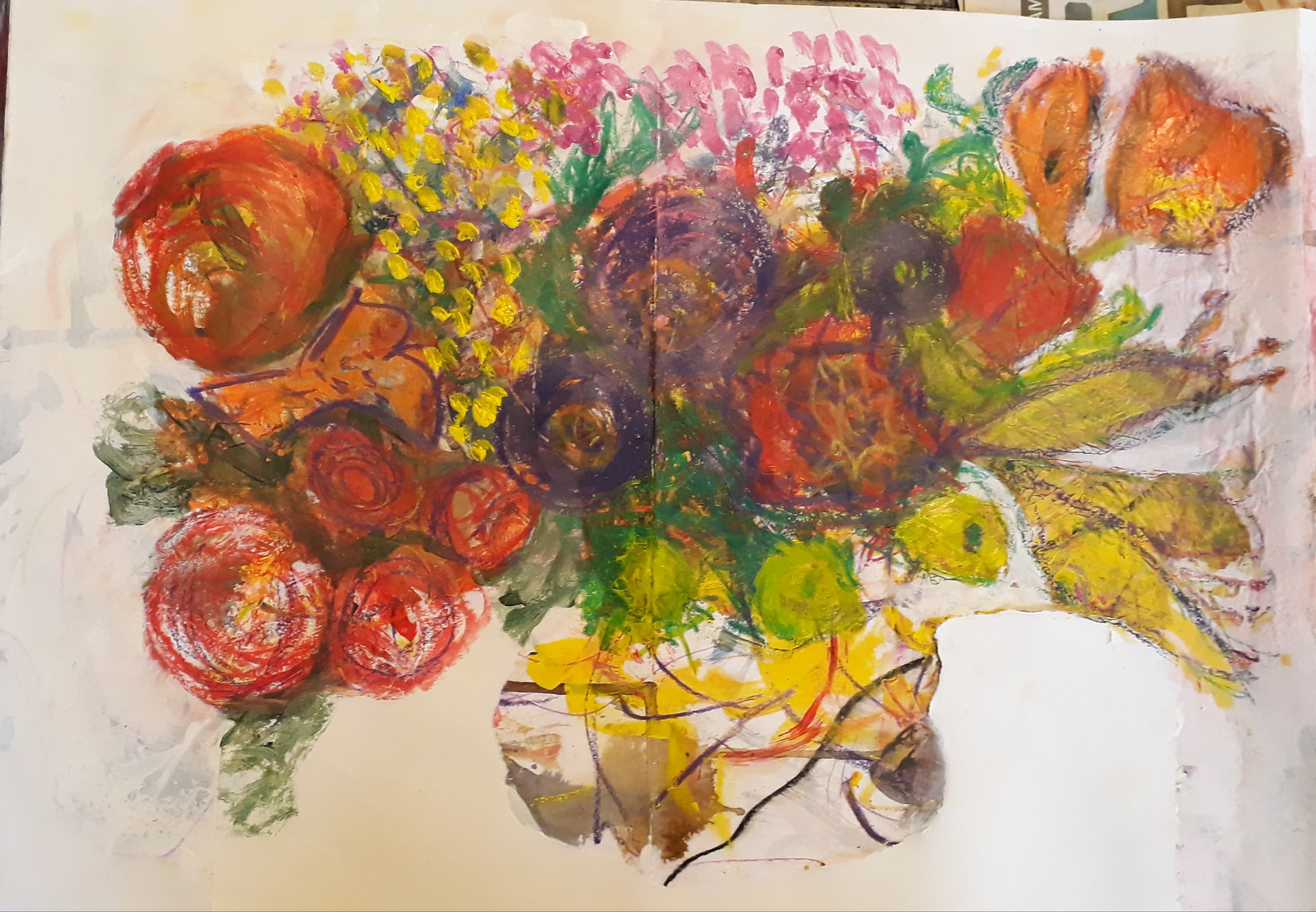
Earlier this month during the course I had a break through session where out of purely making marks with different materials (the theme was flowers) I produced this image (below) of flowers in a vase, which is freer and stronger than most things I’ve created to date. The balance of improvisation with different materials, layering and then editing felt really good.

Another artist I’ve found inspiration from is abstract painter Louise Fletcher who hosts a great podcast along with fellow painter Alice Sheridan. For anyone interested in thinking more about the process of creating and the challenges that come with that I’d recommend looking it up. She’s covered topics like are you guilty of people pleasing in your art?, is making art selfish? and does your personality contribute to your art? Which was something I’d never thought about before. Listening to Louise and Alice talk openly about the challenges and joys of art making is both inspiring and comforting, and funny.

And what of my writing?

When I found the five act structure for writing plays, it really helped me to understand what each act needed to do to get the overall result of the story I wanted to tell. It’s now the framework I use to improvise within (I’m not a planner, I like to just write/improv with the characters in my head, until I hit on something that I feel I can grow). Novel writing is becoming similar, and I’ve just started on my second draft of my novel, starting by filling the rather large hole in the story I discovered when I read the first draft. Then it’ll be ironing out the plot points I have in the story I now have before I go in and redraft heavily.

In all forms of art making, people talk about it being about the journey not the destination, even though you start with the destination in mind. When I decided at 16 that I wanted to be a theatre director I had no idea how my life would look over 20 years later. I didn’t realise that dedicating myself to a creative path, would bring such change and personal growth, and challenge. Part of me is disappointed I don’t have my own theatre company regularly creating and producing work. The other part of me is realising, that I have more to offer, creatively, and there’s more I want to explore.

I guess all art making involves imagining another version of the world, another future. I just hadn’t realised how much the path would change me too. 

Lucy

*For those unfamiliar with the yes and game, it’s a game where two or more actors are in the playing space and one actor sets the scene and the other actor builds on that scene through the improvisation. The rule is you have to go with the suggestion of the other player, you can’t say no, you have to say ‘yes and’ and this builds something together that can be very expansive. It’s also a lot of fun!

Posted in art, artists, Development, Inspiration, Novel, Theatre, Uncategorized, Writing | Tagged , , , , , , , , , , , , | Leave a comment

“March on, and fear not the thorns, or the sharp stones on life’s path.” – Khalil Gibran

As the UK starts to open up after what feels like an awfully long period of lockdown, it’s left me thinking what, from the changes lockdown has brought to my life, do I want to keep?

This month has been shadowed for me, as I’m sure it has for you, with the memory of that first lockdown. I distinctly remember turning to my boss that day we closed the office, the person I sat next to at my day job every day, with no knowledge of when I’d see him in person again. I hardly ever worked from home. Not coming into the office was going to be a major change for us all. “See you… online I guess?” I said as we parted ways.

That last trip home was fretful, a lot of people were on the train, no one wanted to get too close but everyone wanted to get home as soon as possible; a man sat with a massive computer monitor on his lap, presumably so he could begin working from home as all of us office workers have done since. No one imagined a year from that day. I couldn’t imagine what the rest of the week would look like.

A year on, my day was filled with just as much anxiety, this time about how I might get back out into the world. But before I do I’m keen to really think about the positives that have arisen for me personally from this experience: with theatres closed I’ve given another writing form a go and am enjoying it; with no galleries to attend my visual art skills have grown, becoming part of my weekly activities; with no commute I’ve been able to write in the morning before work which is how my novel got written, something I could never fit in before.

I’m currently reading Emma Gannon’s ‘The Multi-Hyphen Method’ recommended by artist Sharon Walters via a podcast I was listening to one rainy day. It’s about dismantling traditional ideas of success, replacing them with something more personal, working less and creating more. When you’re young, dreaming of creative success, you never think of the practicalities or the industry around the work you want to make -or at least I didn’t- and this year of opening up my own creativity as the world closed down around us, has me thinking differently. If you’ve had similar thoughts and have books or podcast or video recommendations please share them in the comments below. The world as we all knew it won’t be back for a while, and I for one want to go forward keeping what good has come out of this experience just as I want to leave behind the bad.

My novel project
I’ve spent this month developing the history of the society at the centre of my story so I can start to redraft next month. I’ve been attending brilliant workshops with Emma Darwin, author of The Itch of Writing blog. If you’re into or getting into writing I would suggest checking out her blog. She’s created a whole host of tools for a newbie novelist. The workshops I’m doing are via Blue Pencil Agency. She’s doing more later this year.

Paris in spring
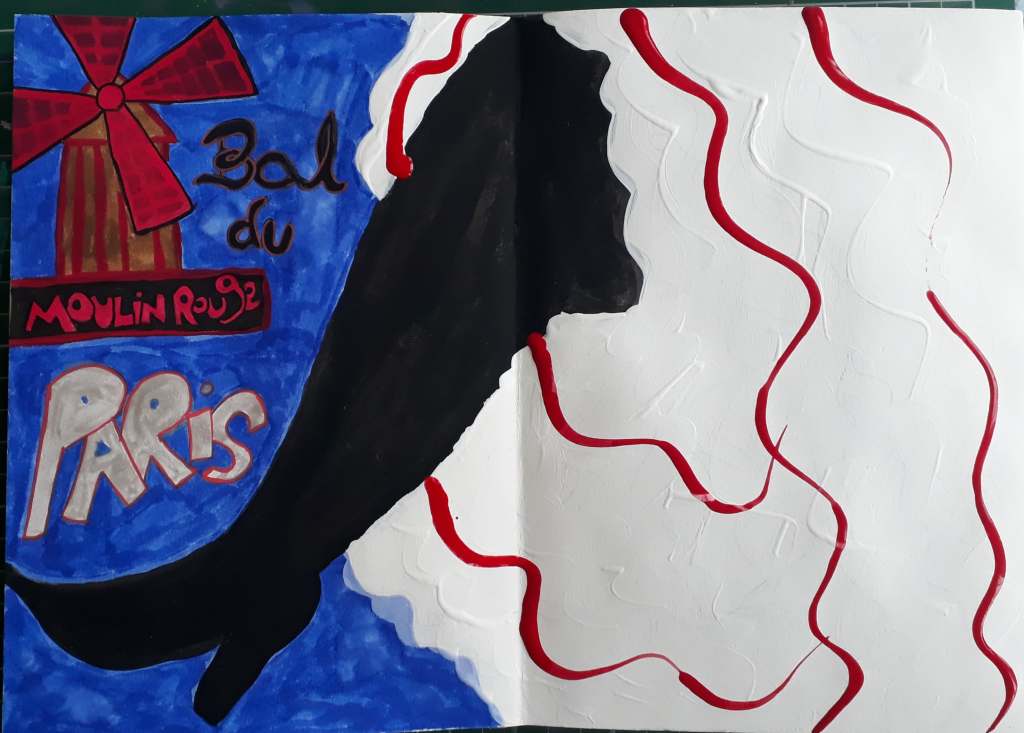
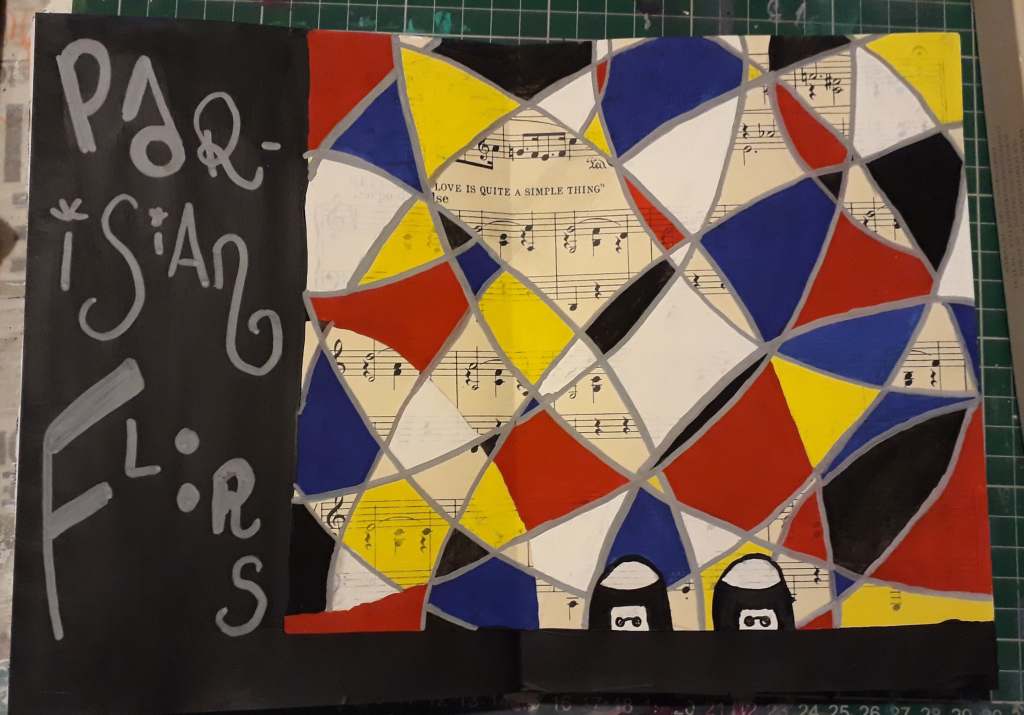
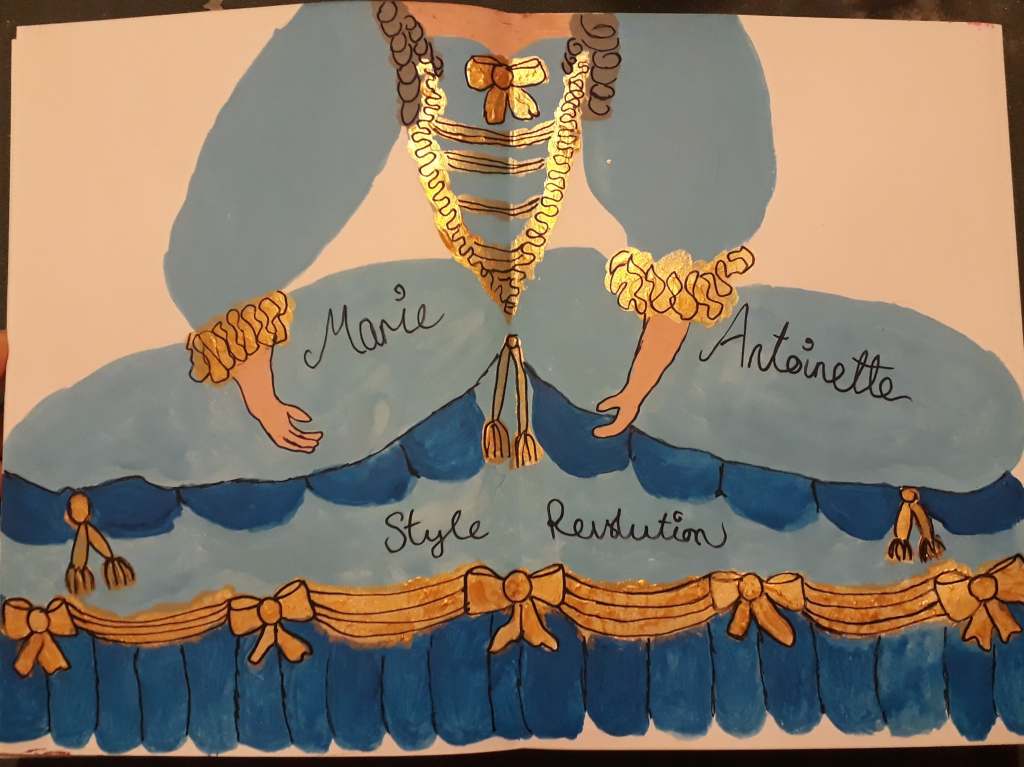
I’ve also spent March ‘in Paris’ with The Art Beat Club which has been such a delight. Paris is possibly my favourite city in the world and to be set drawing activities, as if I was on a tour of interesting places across the city, has really given me a lift. Here are some of my favourite creations:

All being well, April will see me back at the novel. I’ve set myself a goal of 10,000 words to write over the month. I started writing it last April so am hopeful last year’s achievement will spur me on.

Good luck for your own re entry into the world.

Take care. Until next month!

xxx

Posted in art, Development, Novel, Uncategorized, Writing | Tagged , , , , , , , , , , , , , , , , , , | Leave a comment